Sylvia
Katse Fish Farms: Unlocking Lesotho’s Untapped Aquaculture Economy
Katse Fish Farms: Unlocking Lesotho’s Untapped Aquaculture Economy
Writes Manyathela Kheleli
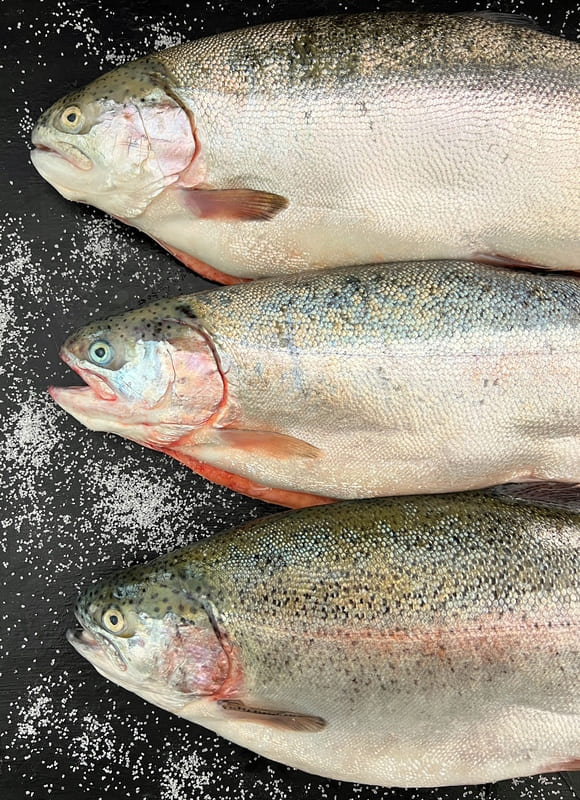
In the remote highlands of Lesotho, where dramatic mountain ranges cradle one of Southern Africa’s most remarkable water infrastructure projects, an unlikely agricultural revolution is quietly taking place. Katse Dam, best known as the flagship reservoir of the Lesotho Highlands Water Project (LHWP), has traditionally been associated with hydropower generation and the export of water to South Africa’s industrial heartland. The dam has become the foundation of an entirely new industry in the Mountain Kingdom: commercial aquaculture. At the centre of this transformation is Katse Fish Farms, a pioneering trout farming enterprise that has helped position Lesotho as a producer of premium freshwater rainbow trout for regional and international markets.
At a time when global demand for high‑quality seafood continues to grow and natural fisheries face increasing pressure, aquaculture has become the fastest‑growing food production sector in the world. According to the Food and Agriculture Organization, aquaculture now produces more than half of the fish consumed globally. Within this rapidly expanding industry, Lesotho’s high‑altitude dams provide a rare environmental advantage in Africa: cold, oxygen‑rich waters ideal for trout farming. Katse Fish Farms has seized this opportunity, transforming a national water reservoir into a hub for high‑value agricultural production while creating employment, export revenue and new possibilities for rural economic development.
Background and Origins
The Lesotho Highlands Water Project, initiated in the late twentieth century, fundamentally altered the country’s economic landscape. Katse Dam, completed in 1996, stands as one of Africa’s most impressive engineering achievements. Beyond its role in water transfer and hydropower generation, the reservoir created new possibilities for aquaculture, tourism and environmental research.
The concept of establishing a commercial trout farm at Katse emerged in 2004 when local entrepreneur Stephen Phakisi and his team began exploring the feasibility of raising rainbow trout in the dam’s pristine waters. Following several years of research, trials and technical experimentation, the first fingerlings were introduced in 2006. What began as a modest pilot project has since evolved into one of Lesotho’s most innovative agricultural ventures.
Today, Katse Fish Farm produces close to 1,000 tonnes of trout annually, although the reservoir has the potential to support production levels exceeding 1,200 tonnes per year. The farm has gradually expanded while maintaining strict environmental standards required by the Lesotho Highlands Development Authority (LHDA), which oversees the dam’s operations.
The Natural Advantage of Katse Dam
The success of trout farming at Katse is rooted in the unique environmental conditions of the reservoir. Situated more than 2,000 metres above sea level, Katse Dam experiences consistently low water temperatures throughout the year. The deep, clean waters of the Malibamatšo River basin also maintain high levels of dissolved oxygen, which are essential for healthy trout growth.
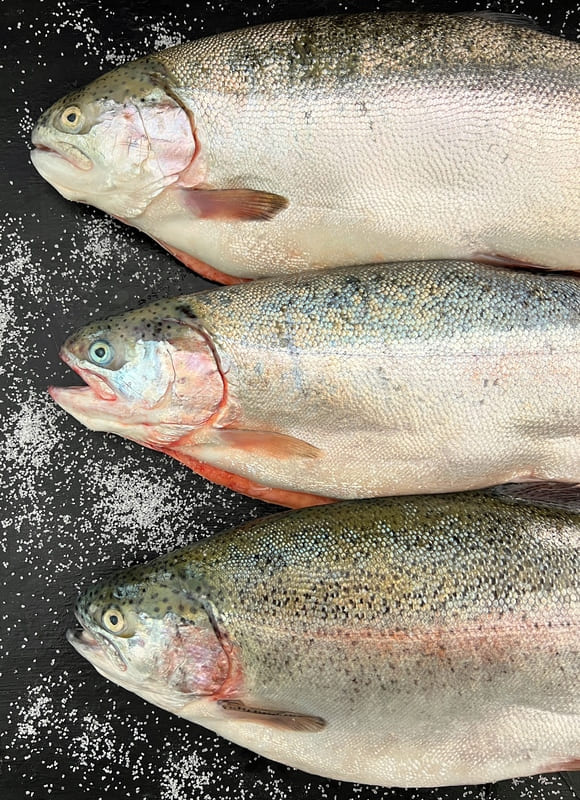
Rainbow trout thrive in cold environments typically found in temperate regions such as Europe and North America. Few locations in Africa offer comparable conditions, giving Lesotho a natural competitive advantage in this niche sector of aquaculture. The clarity and purity of the water also allow producers to meet stringent international food safety and environmental standards required by premium export markets.
These favourable conditions quickly revealed that Katse Dam could fill an important gap in the regional trout supply chain. At the time the project began, much of the trout available in South Africa was imported from Mexico. Long transportation distances meant that fish often arrived less fresh than desired, and supply shortages sometimes lasted several months. Katse Fish Farms offered a closer, fresher and more reliable alternative.
The Woolworths Partnership
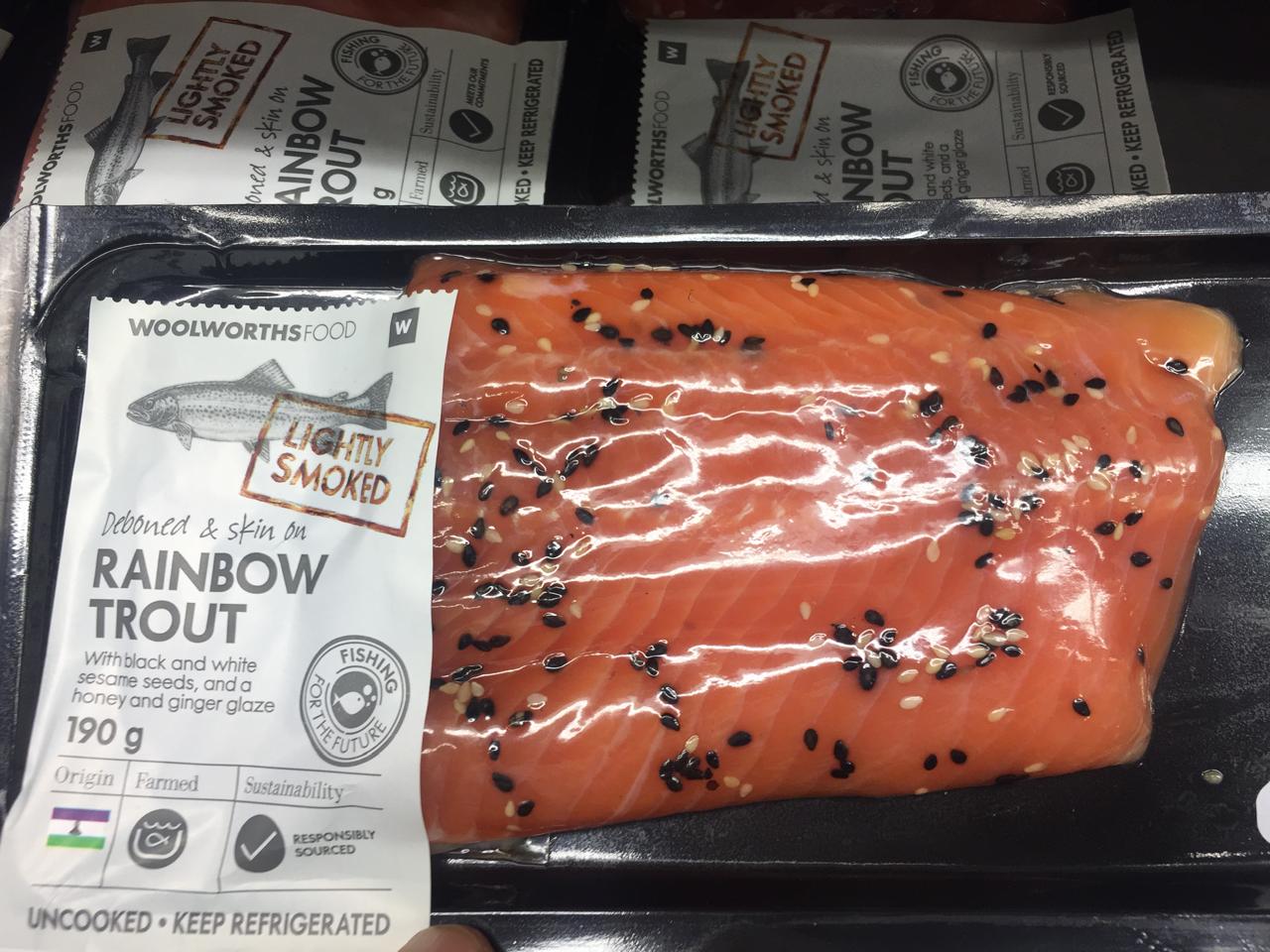
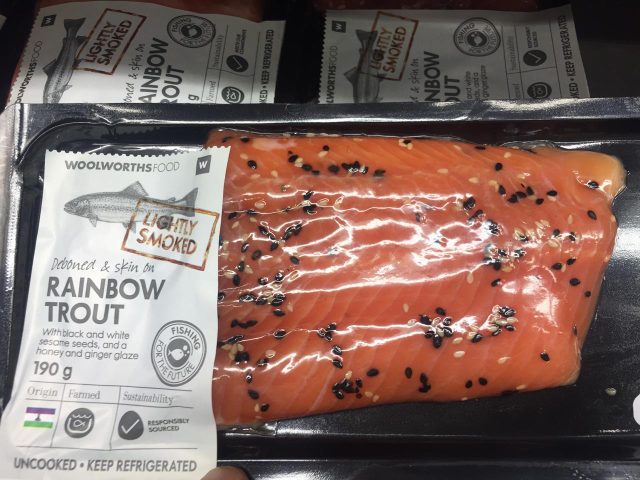
A decisive turning point in the farm’s development came with the signing of an off‑take agreement with Woolworths, one of South Africa’s leading premium retail chains. Woolworths operates more than 1,500 stores across Southern Africa and is known for its strict sourcing standards and emphasis on high‑quality food products.
Under the agreement, Katse Fish Farms supplies rainbow trout marketed under the “Royale Highlands Trout” brand. Approximately ninety‑five percent of the farm’s harvest is exported to Woolworths outlets across the region, providing the farm with a guaranteed market and stable revenue stream. Even at current production levels, demand continues to exceed supply, illustrating the strong market appetite for premium trout products.
From Experiment to Commercial Operation
When the Lesotho Highlands Development Authority first granted Katse Fish Farms a fifteen‑year licence to operate in the reservoir, the project was treated largely as an experimental agricultural initiative. The initial phase required the farm to operate cautiously, producing approximately 300 tonnes of trout annually while carefully monitoring the environmental impact of its activities.
Strict conditions were imposed to ensure that aquaculture operations would not compromise the purity of water exported to South Africa. Because Katse Dam supplies water to millions of people in Gauteng Province, environmental protection was a non‑negotiable requirement.
To meet these conditions, the farm adopted rigorous sustainability practices. It operates under GlobalGAP certification standards and adheres to strict environmental monitoring protocols. Antibiotics are prohibited, fish feed must be sustainably sourced, and regular water and sediment quality tests are conducted to confirm that aquaculture operations do not pollute the reservoir.
Learning Through Experience
As with many pioneering agricultural ventures, the journey of Katse Fish Farms was marked by both successes and setbacks. Early operations revealed that not all sections of the dam were equally suitable for fish farming. Trout production depends on delicate environmental balances, including water circulation patterns, oxygen levels and temperature stability.
At times the farm experienced fish losses when warmer surface water sank into deeper layers of the dam, reducing oxygen levels. These challenges forced the farm to refine its production methods and identify optimal locations within the reservoir for fish cages.
Such lessons ultimately strengthened the operation, allowing it to expand gradually while maintaining sustainable production practices.
The Logistics of Highland Aquaculture
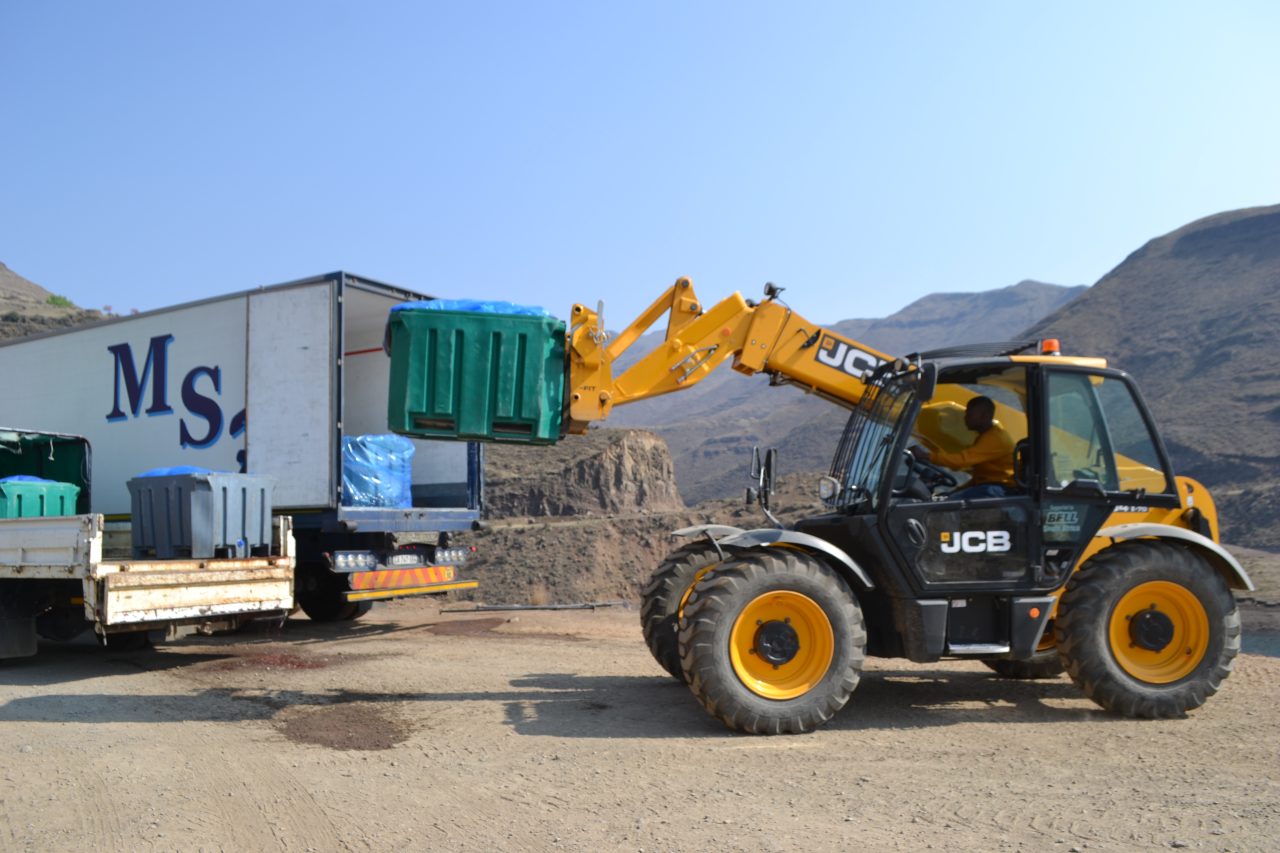
One of the most demanding aspects of operating Katse Fish Farms is the logistical challenge of transporting fresh fish from the remote highlands of Lesotho to international markets. Once harvested, the fish must travel more than 1,000 kilometres in satellite‑tracked refrigerated trucks to Cape Town, where processing facilities prepare the trout for retail distribution.
Maintaining the cold chain throughout this journey is essential to preserving the quality and freshness expected by premium retailers. The complexity of this supply chain underscores the need for further investment in agro‑processing infrastructure within Lesotho itself.
Economic Contribution and Employment
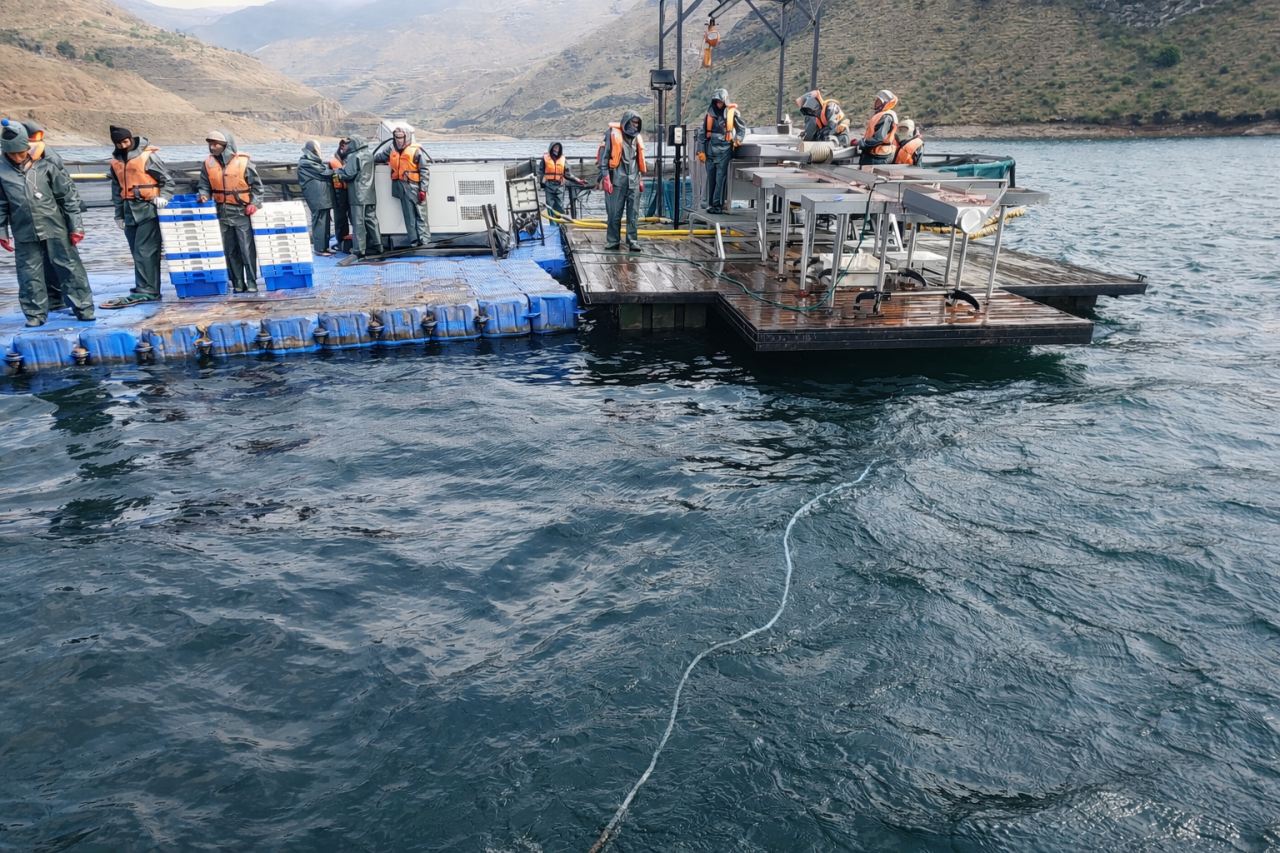
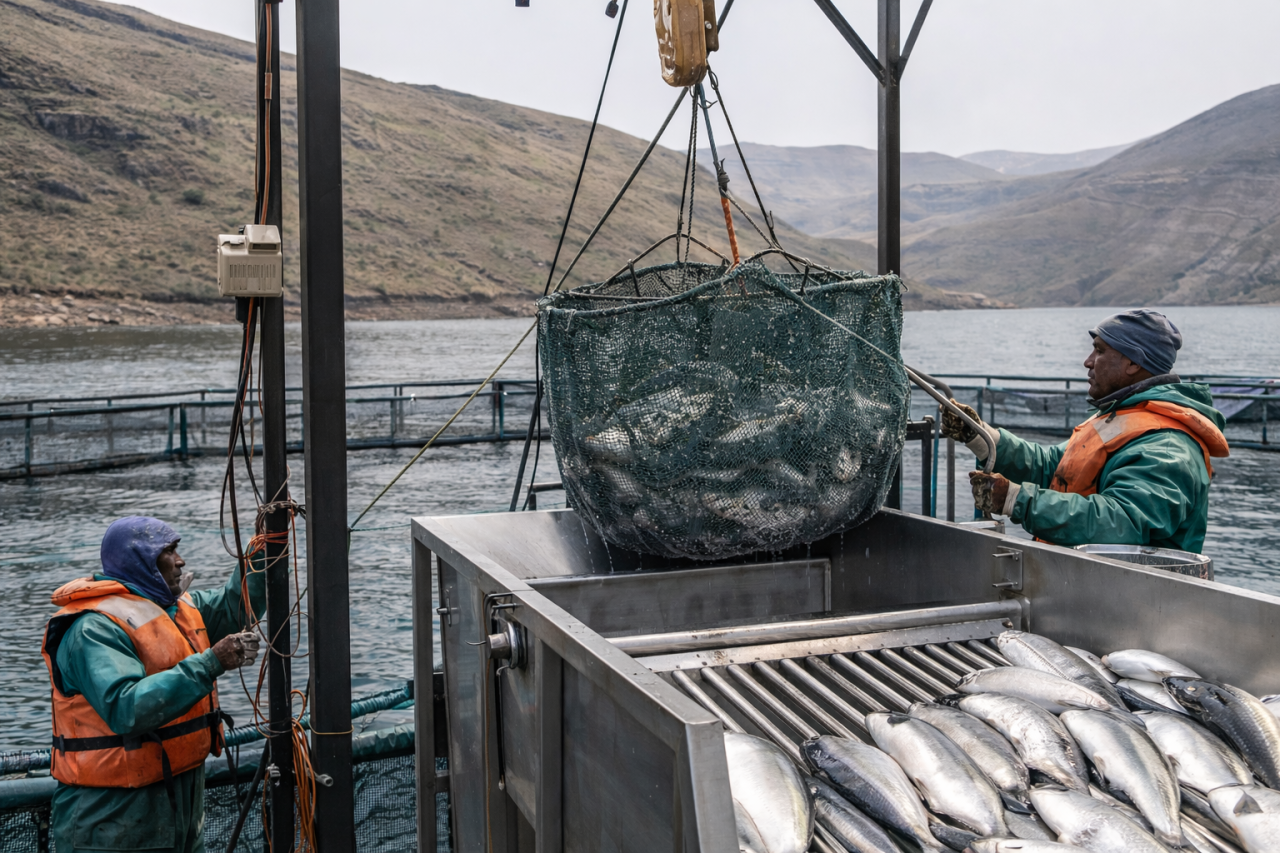
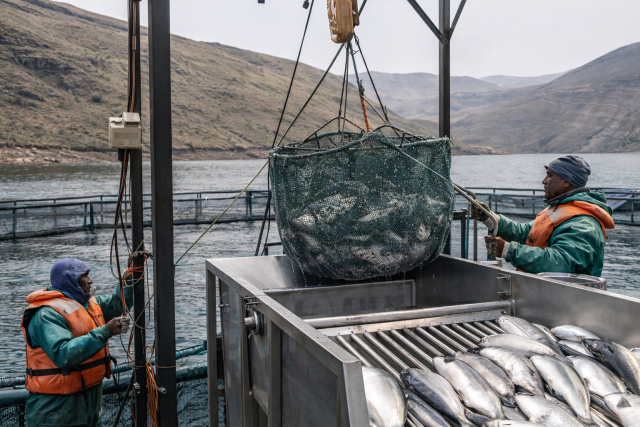
Katse Fish Farms has emerged as an important contributor to Lesotho’s rural economy. The enterprise generates gross profit margins estimated at between 30 and 33 percent of their annual prpoduction, reflecting the high value of trout in international markets. Harvesting operations take place several times each month, often beginning before dawn.
The farm provides permanent employment for skilled Basotho technicians and aquaculture specialists while also creating seasonal work opportunities for local labourers. Many of these workers assist with harvesting, fish handling and maintenance of cage systems within the dam.
For communities in the highland districts surrounding Katse, these jobs provide valuable sources of income in an area where employment opportunities are otherwise limited.
Untapped Opportunities in the Value Chain
Despite its success, the economic potential of trout farming in Lesotho remains only partially realised. Currently, fish harvested at Katse must be transported to South Africa for processing. Establishing a local processing facility equipped with filleting, smoking and packaging capabilities would allow Lesotho to capture more value from its aquaculture industry.
Industry estimates suggest that a processing plant would require an investment of approximately M25 million. Such a facility could create additional jobs, increase export revenues and generate greater tax income for the government.
Another opportunity lies in the utilisation of fish by‑products. Nearly thirty percent of harvested fish consists of waste such as bones, fins and heads. These materials could be processed into fish oil rich in omega‑3 fatty acids or converted into fish meal used in animal feed production.
Cold Chain Infrastructure and Future Investment
The development of a national cold‑chain logistics hub represents another important opportunity. With approximately forty tonnes of fish exported each week, a dedicated cold storage facility in Lesotho could streamline logistics while supporting other agricultural exports.
Such infrastructure would also allow refrigerated imports to share the same supply chain, improving efficiency and creating new employment opportunities in logistics and food distribution.
Aquaculture as a Strategic Sector
Recognising its economic potential, the Government of Lesotho increasingly views aquaculture as a strategic sector for growth. Alongside Katse Fish Farms, another major operator, SanLei Premium Trout, produces more than 2,000 tonnes of trout annually for export markets including Japan and the United States.
Together, these enterprises demonstrate that Lesotho’s highland reservoirs can support a competitive aquaculture industry capable of generating export revenue and rural employment. Katse Fish Farms and the government of Lesotho are currently considering how these downstream opportunities can be harnesses, with a focus on creating job opportunities for rural communities.
The story of Katse Fish Farms illustrates how infrastructure originally built for one purpose can unlock entirely new economic opportunities. What began as a water transfer project has evolved into a platform for agricultural innovation, demonstrating that Lesotho’s natural resources hold far greater potential than traditionally recognised.
Yet the long‑term success of aquaculture in Lesotho will depend on strategic investment, supportive policies and stronger linkages between production and downstream industries. Processing facilities, cold‑chain infrastructure and value‑added manufacturing could dramatically increase the economic returns from trout farming while creating new employment opportunities across the country.
If these opportunities are realised, the quiet experiment that began with a few fish cages in the cold waters of Katse Dam could become a cornerstone of Lesotho’s agricultural transformation. The lesson is clear: within the highlands of the Mountain Kingdom lies not only water, but a reservoir of economic possibilities waiting to be fully explored.