Sylvia
Lesotho Takes Flight
Lesotho Takes Flight
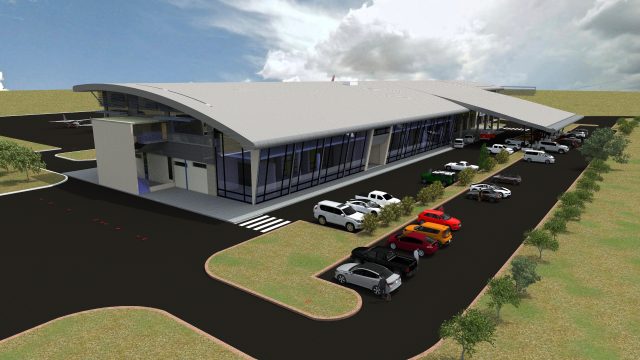
The ambitious refurbishment of Moshoeshoe I International Airport promises to transform the nation’s aviation sector and unlock new economic opportunities
By Staff Reporter
Named after the founder of the Basotho nation, Moshoeshoe I aAirport stands as Lesotho’s sole international gateway to the world. First commissioned in 1985, the airport serves as the country’s secondary entry point after road access, with a carrying capacity of approximately 400 passengers per day. It remains the main artery connecting the mountain kingdom to regional and international destinations by air.
Yet for all its importance, Moshoeshoe I International Airport has recently been plagued by the challenges of obsolete infrastructure, limited structural and human capacity, and critically, has failed audits conducted by the International Civil Aviation Organisation (ICAO). Passengers have endured frustrating flight delays, and the situation has dampened both national pride and economic prospects. The Findings of Concern (FoC) raised by ICAO centered on air traffic control systems, as well as multiple safety and security deficiencies—all major considerations in the aviation industry that, if left unaddressed, could render the airport unfit for operations and bring aviation in Lesotho to a complete standstill.
A Glimmer of Hope
There is renewed optimism as the Government of Lesotho, through the Ministry of Public Works and Transport, has prioritized rehabilitating the airport. Led by Minister Matjato Moteane, the Ministry is currently implementing an ambitious project to renovate Moshoeshoe I International Airport—addressing the safety, efficiency, and competitiveness issues that have diminished the facility’s standing in the aviation sector. Lesotho Insights spoke with Minister Moteane to understand the current state of the airport and how the planned renovations will enhance the aviation industry’s contribution to the national economy.
Years of Decline
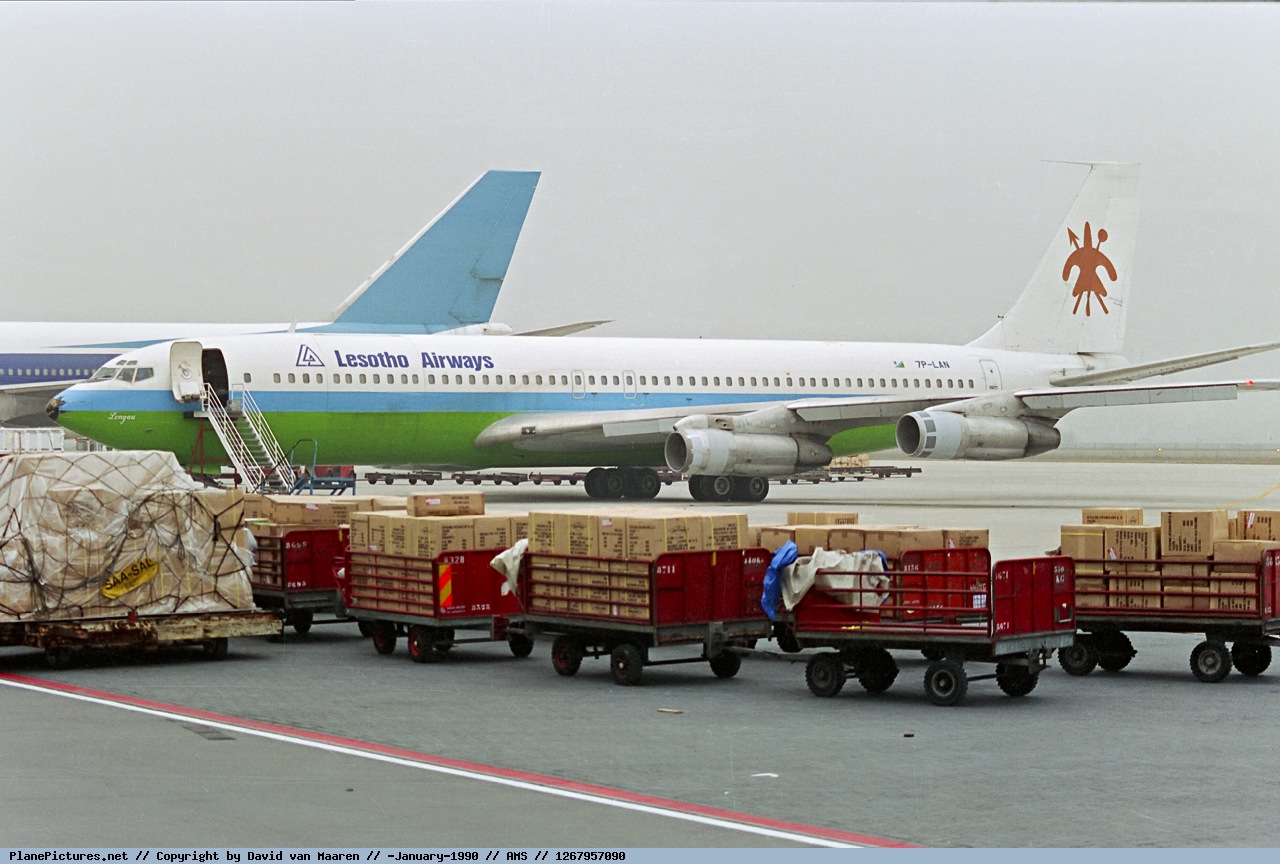
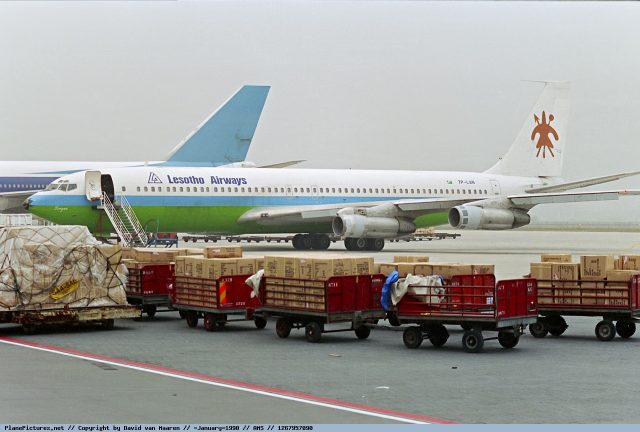
There have been no significant upgrades to Moshoeshoe I International Airport since it began operations in 1985. At the peak of its operations under the now-defunct Lesotho Airways, the airport operated a fleet of approximately ten aircraft, flying domestic and regional routes to Botswana, Eswatini, South Africa, and Zimbabwe. During this golden era, Lesotho Airways acquired the nation’s first Boeing 747, christened Lengau, among its fleet.
Following the collapse of Lesotho Airways, the airport entered a downward spiral, operating without maintenance or system upgrades. The terminal building fell into a state of disrepair. Air traffic control equipment, largely running on analogue systems, became obsolete as the aviation world embraced digital technology.
Key concerns raised by ICAO revealed that emergency supply and firefighting capabilities were inadequate. Internal perimeter fencing and security failed to meet aviation standards. Most critically, the airport lacked sufficient runway lighting, preventing aircraft from landing at night or in adverse weather conditions—a situation that had persisted for years.
To illustrate the severity of these challenges, Minister Moteane recounted a mortifying incident from 1988, when Pope John Paul II visited Lesotho. The Pontiff’s aircraft could not land due to fog and rain, causing serious logistical delays and considerable embarrassment for the Lesotho government. The Pope was instead diverted to the then Jan Smuts Airport (now OR Tambo International Airport) in Johannesburg. This unexpected landing on South African soil—initially excluded from the papal tour due to apartheid—proved a propaganda coup for the white supremacist government. Foreign Minister Pik Botha was at the airport to greet the Pope, capitalizing on the situation for political gain.
Beyond budgetary constraints, governance issues have significantly contributed to the deterioration of Moshoeshoe I Airport and Lesotho’s aviation sector as a whole. Minister Moteane acknowledges that for years, the government viewed the airport through a limited lens. At the governance level, there was no separation between the entity regulating aviation in Lesotho and the one operating Moshoeshoe I Airport. All responsibilities were vested in the Department of Civil Aviation which, from a corporate governance perspective, could not simultaneously set compliance standards and police itself. This anomaly was only flagged following the ICAO audit around 2006, and it was recognized as inconsistent with global best practices and standards in other African countries.
Learning from the Region
Looking to neighboring South Africa as an example, the aviation sector there is governed by the South African Civil Aviation Authority (SACAA), which controls and regulates civil aviation, ensuring safety, security, and sustainability. SACAA is responsible for licensing pilots, air traffic personnel, and cabin crews, certifying aircraft, and overseeing accident investigations. Separately, the Airports Company of South Africa (ACSA), established in 1993 as a state-owned company with private equity, operates nine major airports and is licensed by SACAA for safety, security, and operational compliance.
Following this regional model, the Department of Civil Aviation is working on legislation to separate the functions of aviation regulation from airport operations management—a reform expected to be completed before August 2026.
The Three-Phase Transformation
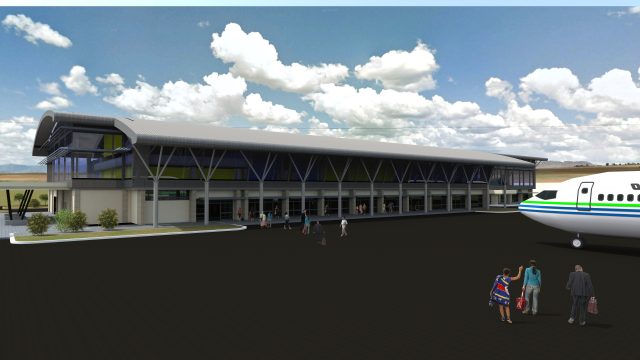
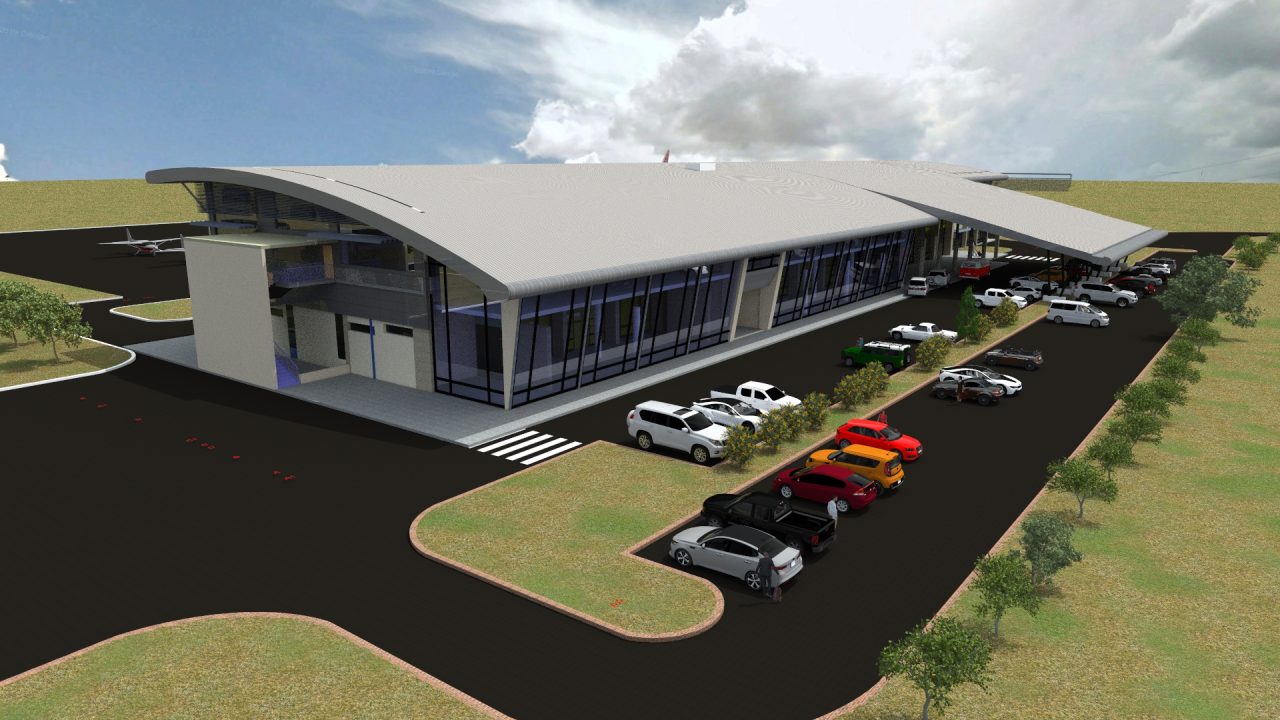
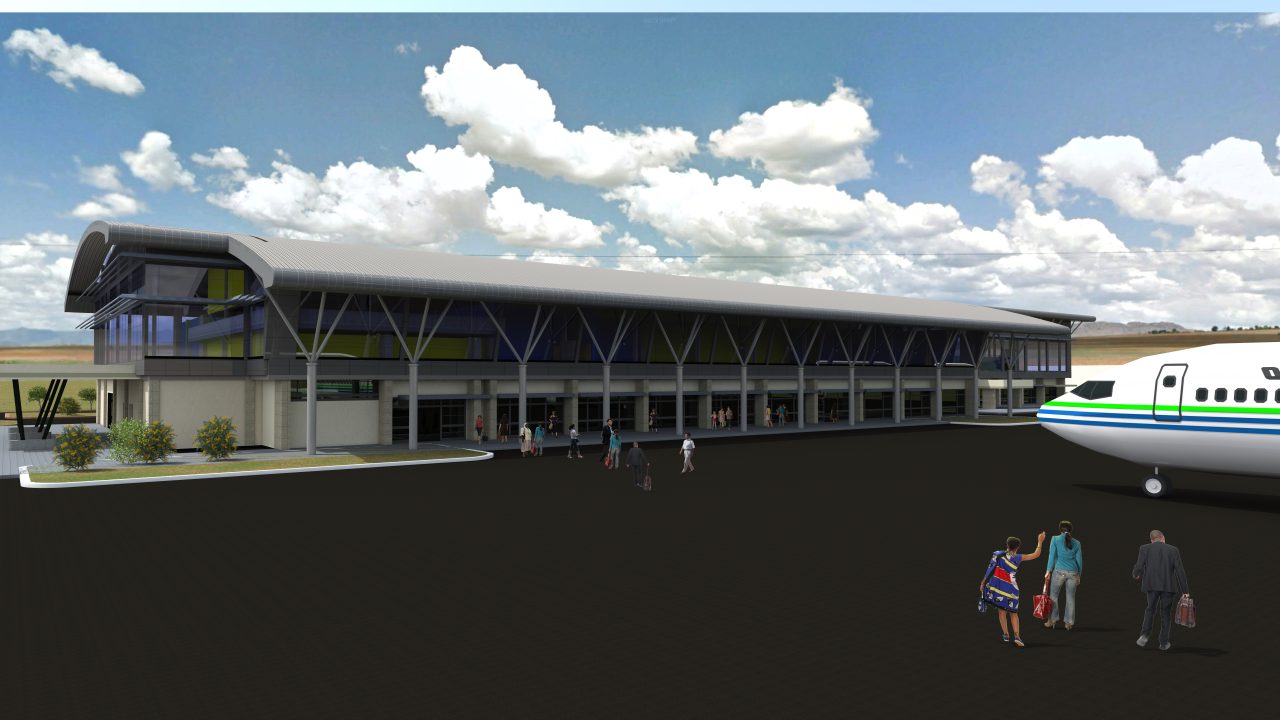
The refurbishment project is divided into three main phases. Phase One focuses on upgrading the air terminal—enhancing the façade to create a more appealing and welcoming environment for visitors while improving facilities and amenities essential for hospitality.
Phase Two addresses lighting for the landing strip, emergency services, and air traffic control, including construction of a new control tower. This phase also encompasses perimeter fencing around critical airport areas and enhanced security installations.
Phase Three involves extending the current 4.2-kilometer runway by an additional kilometer, enabling it to accommodate larger aircraft. A parallel 5.2-kilometer taxiway will also be constructed to relieve pressure on the main runway, allowing the airport to manage two aircraft landings within 30-minute intervals. The terminal building, control tower, emergency and fire division, and perimeter fencing are scheduled for completion ahead of the ICAO audit in September 2026.
Funding the Vision
The projected total budget for the three phases currently stands at M1.4 billion. The Government of Lesotho is funding the terminal building upgrade at a cost of M300 million. The OPEC Fund for International Development has committed M700 million to cover runways, control towers, and perimeter fencing. This leaves a funding gap of M400 million, which will be sourced from the government’s Consolidated Fund and other resources. The government has already allocated M200 million in the 2024/25 financial year to launch the project, with an additional M100 million earmarked for 2025/26.
Beyond Runways: Economic Opportunity
Looking ahead, the refurbishment is expected to serve as the nucleus of a special economic zone in the vicinity of Mazenod and surrounding areas. Studies are underway to determine the zone’s focus and how it can create an ecosystem benefiting both the airport and Lesotho’s broader economy.
While other airlines may choose to operate from the refurbished airport, Minister Moteane strongly advocates for Moshoeshoe I to function predominantly as a cargo terminal. With OR Tambo International Airport in Johannesburg increasingly congested and facing logistical challenges, Moshoeshoe I presents a significant opportunity to become the region’s cargo airport of choice. Logistics companies such as Takealot and Amazon could leverage the airport’s cargo terminal for regional shipments.
Another promising avenue is aircraft servicing, including establishing spray booths for aircraft painting and refurbishment. The government has already secured bilateral agreements with Middle Eastern countries, including Qatar and Turkey, to explore this possibility.
Domestic Aviation and Tourism
In the medium term, the government is considering investing over M500 million to build or upgrade five domestic aerodromes to serve the tourism industry. These smaller airports, with approximately 2.5-kilometer airstrips designed for smaller aircraft and charter planes, would provide access to key tourism destinations such as Sehlabathebe, Katse, and Polihali. The public sector investment committee has approved feasibility studies to investigate this economic opportunity.
The government has also developed Lesotho’s Civil Aviation Masterplan, which includes plans to revive Lesotho Airways in partnership with established airlines, particularly Middle Eastern carriers such as Emirates and Qatar Airways. This model has proven successful elsewhere—Rwanda’s national carrier partners with Emirates, while Qatar Airways owns 25% of Airlink, the Lesotho-Johannesburg carrier. Minister Moteane emphasizes that establishing a viable national airline requires partnerships with experienced, profitable operators.
Additionally, a Chinese company is exploring the possibility of opening a flying school in Lesotho, with the government considering Hlotse in Leribe as a potential location. This initiative would further accelerate growth in the country’s aviation sector.
A Nation’s Commitment
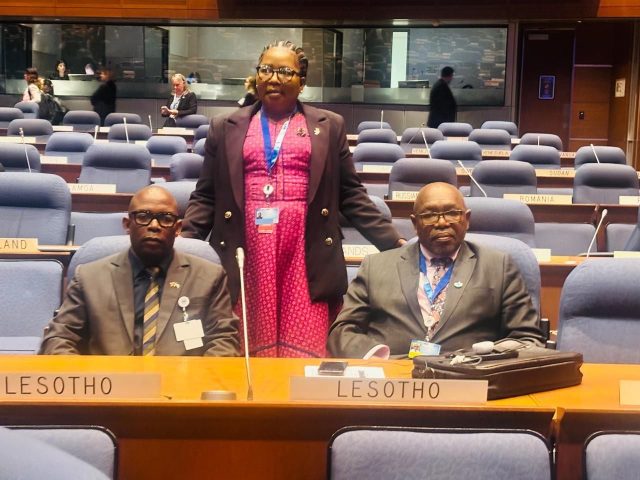
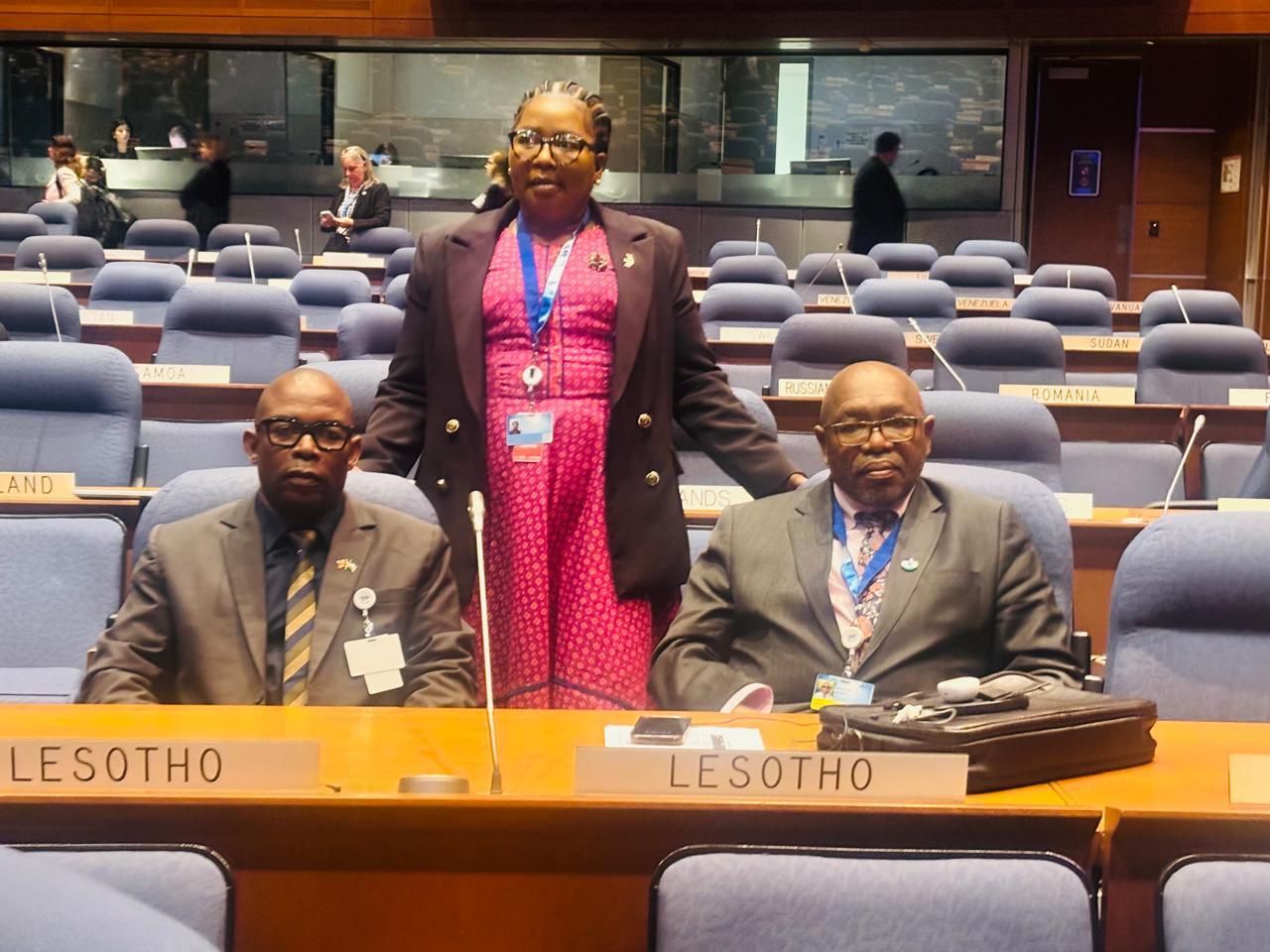
At the 42nd ICAO Assembly in Montreal, Canada, in October 2025, Lesotho declared its commitment to nurturing a small but thriving aviation sector. Since the establishment of Moshoeshoe I International Airport in 1985, it has served as the country’s lifeline to the world. Maintaining and strengthening this connection remains a strategic imperative. The government remains steadfast in its commitment to opening Lesotho’s skyways and operating a world-class aviation sector. The refurbishment of Moshoeshoe I International Airport represents a major stride toward that vision—one that promises not only to restore the airport’s former glory but to position it as a catalyst for economic transformation.