Sylvia
Polihali Dam Vision Takes Form
Polihali Dam Vision Takes Form
Polihali dam rises as Senqu bridge nears completion
By Bereng Mpaki
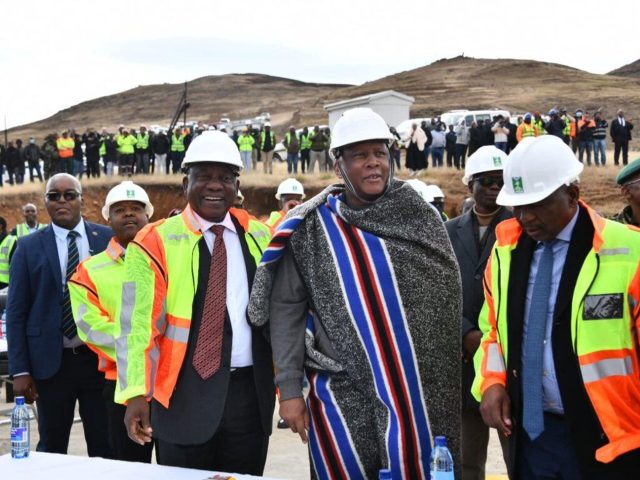
The landscape of Mokhotlong district is being dramatically transformed as the Lesotho Highlands Water Project enters its most visible phase yet. Concrete and steel are rising from mountain valleys, reshaping not only the physical terrain but the economic future of an entire nation.
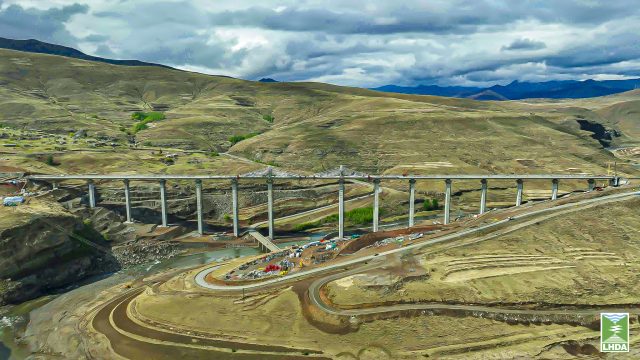
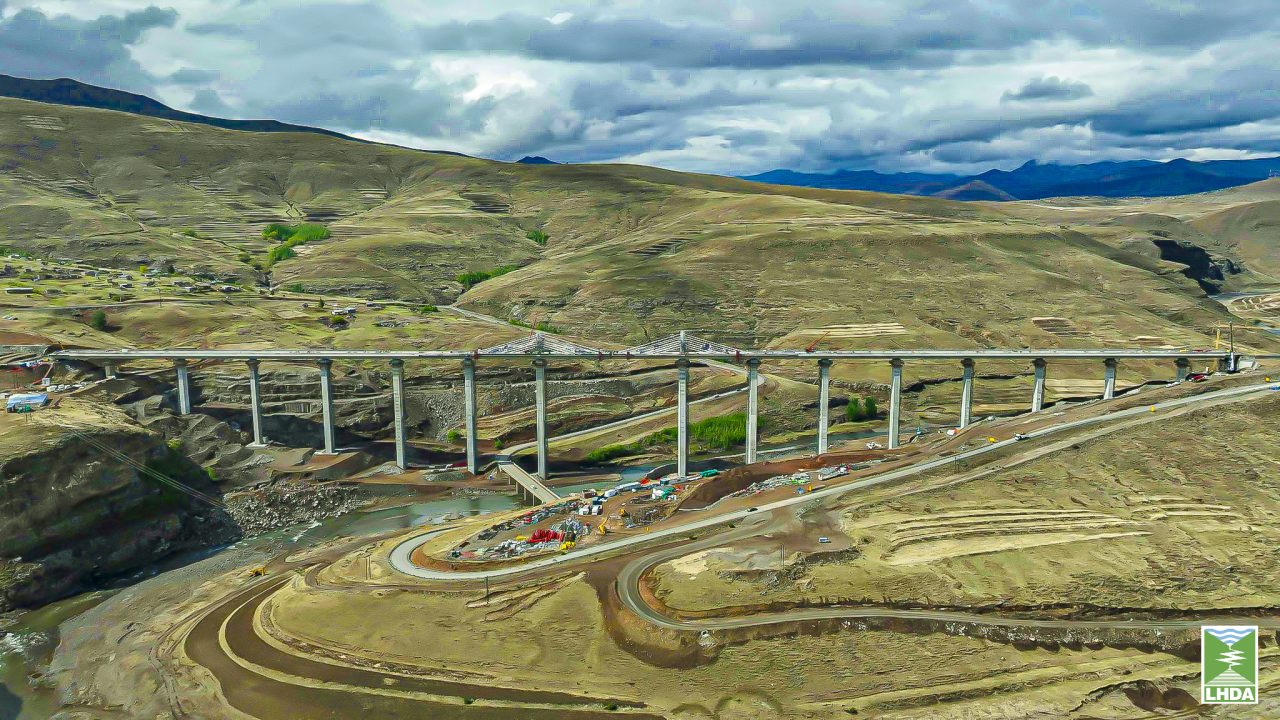
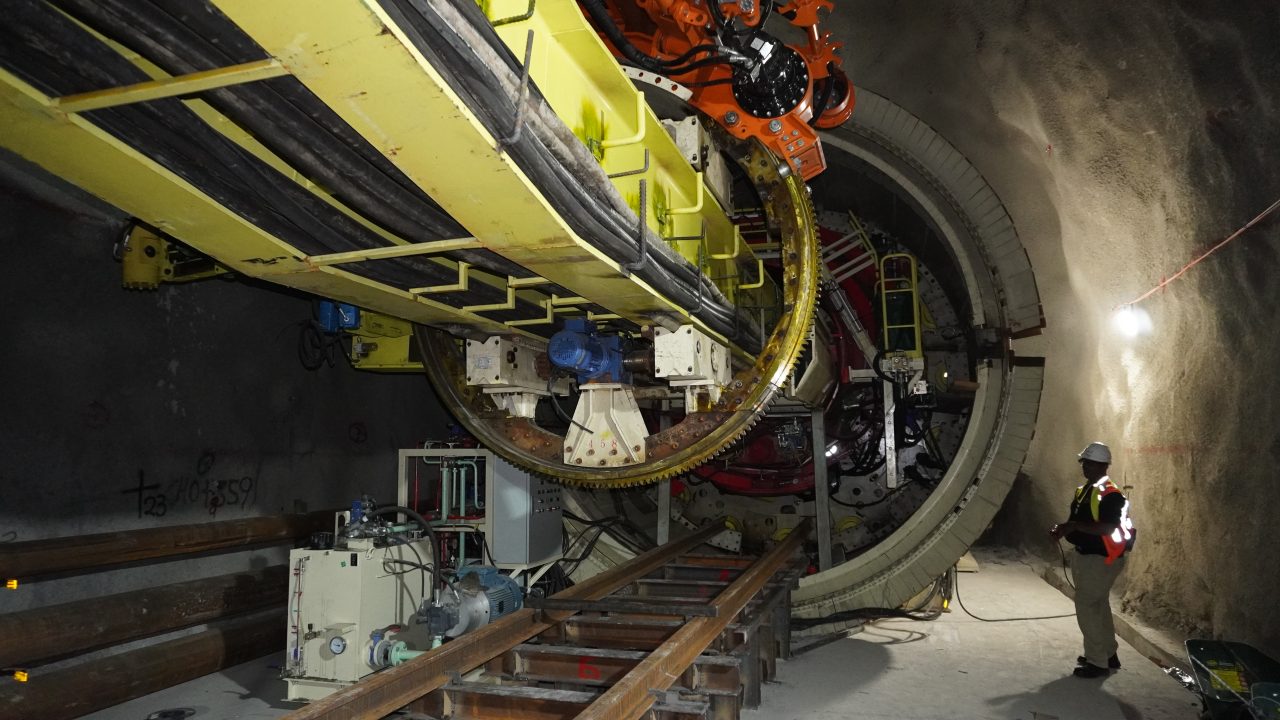
Under the stewardship of the Lesotho Highlands Development Authority (LHDA), the ambitious water transfer infrastructure has transcended blueprints and planning documents to become an unmistakable physical presence. The wall of the Polihali Dam now rises visibly from the valley floor, the transfer tunnel progresses steadily beneath the mountains, and the breathtaking Senqu Bridge stands is nearly complete.
The Lesotho Highlands Water Project represents one of Africa’s most ambitious multinational infrastructure ventures – a multi-billion Maloti/Rand collaboration between the Kingdom of Lesotho and the Republic of South Africa. Formalised through the Treaty of 1986 and reinforced by the 2011 Agreement, the project harnesses the water resources of Lesotho’s highlands through an intricate network of dams and tunnels, delivering vital water supplies to South Africa while generating hydroelectric power for Lesotho.
Phase I of this multi-stage endeavour reached completion in 2004. Now, Phase II is advancing through several interconnected components: the construction of Polihali Dam, the Polihali Transfer Tunnel, essential advance infrastructure, and the long-anticipated hydropower plant.
At the heart of Phase II lies a concrete-faced rockfill dam and saddle dam at Polihali, positioned downstream from where the Khubelu and Senqu (Orange) Rivers converge. Once complete, the Polihali Dam will impound a reservoir holding approximately 2.325 billion cubic meters of water, elevating annual water delivery capacity from the current 780 million cubic meters to an impressive 1.27 billion cubic meters. The dam alone will contribute roughly 490 million cubic meters annually to the system for delivery to South Africa.
According to LHDA Chief Executive Tente Tente, the rock-filled dam wall has become unmistakably visible despite being only 37 percent complete. From elevated vantage points, the embankment rising along the Senqu and Khubelu valleys commands attention.
“The dam is beginning to take shape; the rock fill is now visible,” Mr. Tente explained during an October 2025 media briefing on project progress. “Five million cubic meters of rock have already been moved – approximately 38 percent of the intended 14 million cubic meters.”
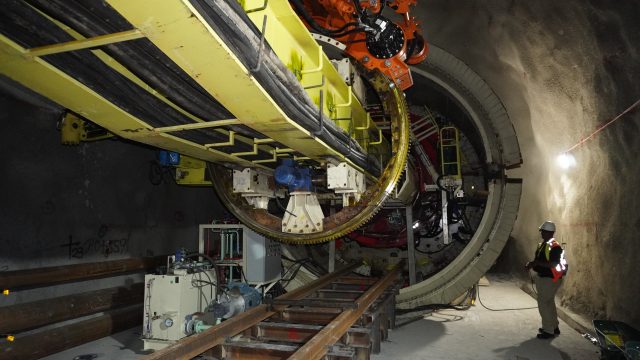
While the dam component stands at 37 percent completion, it trails slightly behind the planned 50 percent milestone. The transfer tunnel construction, however, shows more promising advancement at 46 percent overall completion. This tunnel, once finished, will stretch approximately 38 kilometers with a nominal bore of five meters, excavated using both tunnel boring machines and drill-and-blast methodologies.
Bridge construction, including the magnificent Senqu Bridge, has reached 91 percent completion, falling just short of the targeted 97 percent. The Senqu Bridge – an extradosed span extending some 830 meters and soaring approximately 100 meters above the valley floor – stands as the largest of three bridges under Phase II. By year’s end, this engineering achievement will reconnect the Mokhotlong region across the future Polihali reservoir inundation zone.
Overall, the entire project has crossed the halfway threshold at 48 percent completion, though it remains nine percent behind schedule. LHDA attributes these delays to binational governance challenges and disruptions stemming from the COVID-19 pandemic, which deferred implementation of several critical components.
“Looking at overall progress, the planned milestone stands at approximately 57 percent, while actual progress sits at 48 percent,” Mr. Tente acknowledged. “This indicates we are roughly 10 percent behind schedule.”
Beyond Steel and Concrete: A Story of Human Development
Behind the impressive engineering statistics lies an equally compelling narrative of human development and economic transformation. Phase II has generated employment for approximately 16,380 workers – 12,226 skilled and 4,154 unskilled laborers. Of this workforce, 14,953 individuals, representing 91 percent, are Basotho nationals.
“We are often accused of employing foreign workers, but they represent less than 10 percent,” Mr. Tente clarified. “We live in a global village where skill exchange between countries is commonplace. Many Basotho work abroad, so we must appreciate the mutual benefits of international expertise.”
Addressing local employment concerns, Mr. Tente noted that 7,583 workers from Mokhotlong – nearly 46 percent of the entire workforce – have found employment on the project.
“Since the inception of the LHWP, we have witnessed not merely the construction of world-class infrastructure, but also profound human progress, transformed livelihoods, carefully managed community relocations, and national revenues reinvested in the country’s growth,” Tente affirmed.
The project’s expansion has necessitated careful resettlement planning. Under Phase IA, 374 households were resettled, followed by 321 households during Phase IB. The current Phase II has earmarked 296 households for resettlement, with 21 successfully relocated to date. Total compensation exceeds M600 million – M470 million allocated for Phase I and M160 million for Phase II.
LHDA has implemented an electronic asset-registration system, learning from Phase I experiences. To date, 12,843 forms have been completed, with 7,456 captured digitally and 4,574 payments already processed. Outstanding payments typically involve pending identity verification, documentation issues, or unresolved family disputes requiring court adjudication.
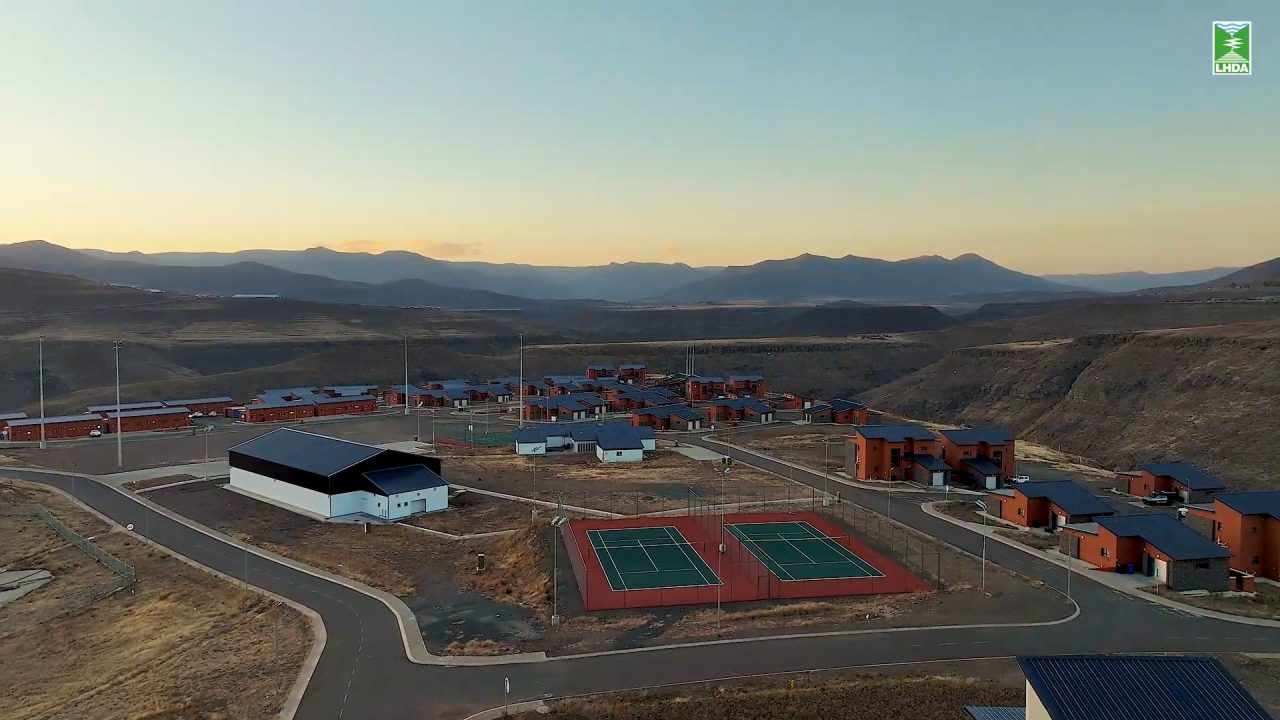
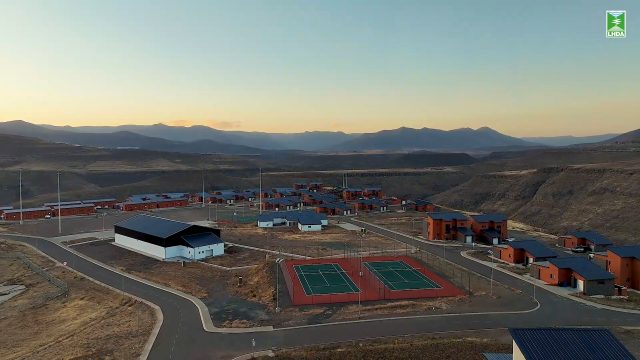
Approximately 400 graves within the current construction area have been relocated, with households in future inundation zones being gradually resettled ahead of reservoir filling. A comprehensive resettlement and livelihood-restoration program operates in consultation with affected communities, featuring three relocation sites with carefully designed replacement housing and both small- and large-scale livelihood initiatives developed in partnership with affected households.
“Relocation and compensation are conducted one to two years before inundation,” Mr. Tente explained. “Approximately 1,000 graves in areas destined for reservoir coverage will require relocation.”
The financial impact of the LHWP extends far beyond compensation packages. Total royalties collected to date exceed M19 billion, with monthly revenues currently averaging between M300 million and M400 million.
“These figures represent more than mere numbers,” Mr. Tente emphasised. “They translate into schools built, hospitals staffed, families sustained, and national development funded through this project’s legacy. All royalties flow directly into the consolidated fund upon receipt.”
Phase I alone generated remarkable infrastructure development: 1,000 kilometers of road networks constructed throughout the country, connecting Lesotho’s highlands to lowland economic centers. Approximately 16,000 Basotho gained employment, earning over M1 billion in wages. Educational infrastructure expanded with more than 40 classrooms built across 16 schools, alongside several new health facilities.
Basotho contractors and consultants have secured millions in contracts, while local businesses have received over M1.2 billion through the procurement of goods and services.
“These are not merely statistics but a narrative of national development driven by a strategic national asset,” Mr. Tente concluded. “The LHWP transcends engineering excellence – it symbolises partnership between nations, institutions, and people.”
“Our journey remains far from complete,” Mr. Tente reflected. “Phase II unfolds with remarkable energy – new dams rising, tunnels advancing, livelihoods improving, and skills being built that will outlast this project. Yet beyond machinery, cement, and statistics, what will endure is trust. Trust is built, sustained, and protected by the stories we write together.”
As the Polihali Dam takes shape against the Mokhotlong skyline and the Senqu Bridge prepares to carry its first vehicles, the Lesotho Highlands Water Project stands as a testament to what vision, partnership, and perseverance can achieve. The transformation of landscape and lives continues, one carefully placed stone at a time.