Sylvia
One Border, Shared Destiny: Lesotho and South Africa Deepen Bilateral Cooperation
One Border, Shared Destiny: Lesotho and South Africa Deepen Bilateral Cooperation
Writes Bereng Mpaki
Surrounded by South Africa, the Kingdom of Lesotho occupies one of the most unusual geopolitical positions in the world. It is the only independent state completely surrounded by a single country, a geographic reality that has shaped more than a century of shared history, economic interdependence and deeply intertwined societies. For generations, the border between the two countries has been less a dividing line than a meeting point of families, cultures and livelihoods.
The relationship extends far beyond diplomacy. While Lesotho’s population stands at just over 2.3 million people, the broader Basotho community stretches far across the border into South Africa, where more than four million people of Basotho descent live, particularly in the Free State, Gauteng and Mpumalanga provinces. For decades, Basotho migrant labour formed the backbone of South Africa’s mining industry, while remittances from workers in South Africa became one of the most important lifelines for households in Lesotho. Few neighbouring states in the world share such a deeply integrated labour, social and economic system.
Culturally and linguistically, the bonds are equally profound. Sesotho is spoken widely on both sides of the border and is recognised as one of South Africa’s official languages. Communities straddle the frontier, students cross it daily for schooling, traders move goods across it, and major infrastructure — from roads to water systems — links the two economies together. In many ways, Lesotho and South Africa function not simply as neighbours, but as partners bound by geography, history and a shared regional destiny.
It is within this broader context that bilateral engagements between the two governments carry particular significance. Meetings between leaders of the two nations are not merely diplomatic formalities; they are moments that shape the economic and social realities of millions of people whose lives are tied to both sides of the border.
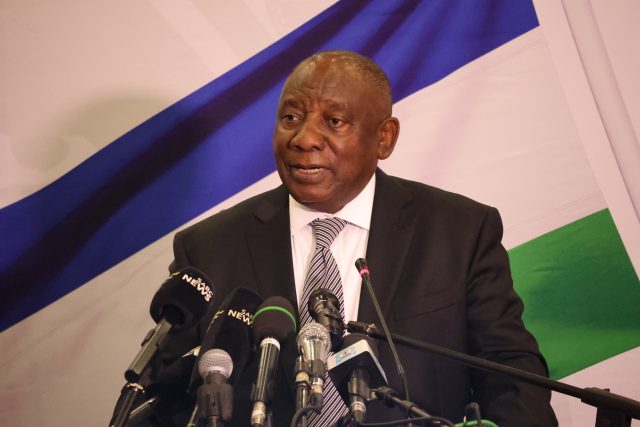
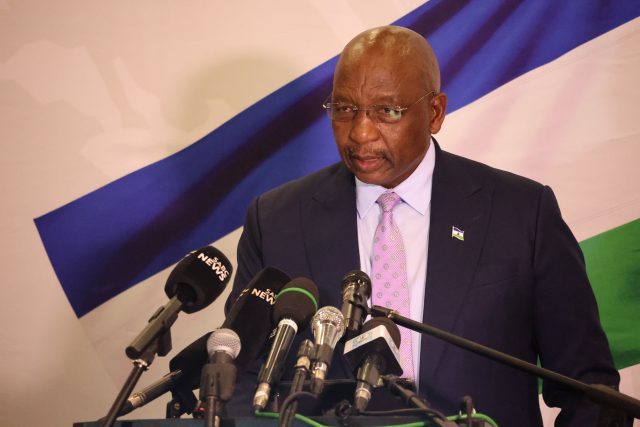
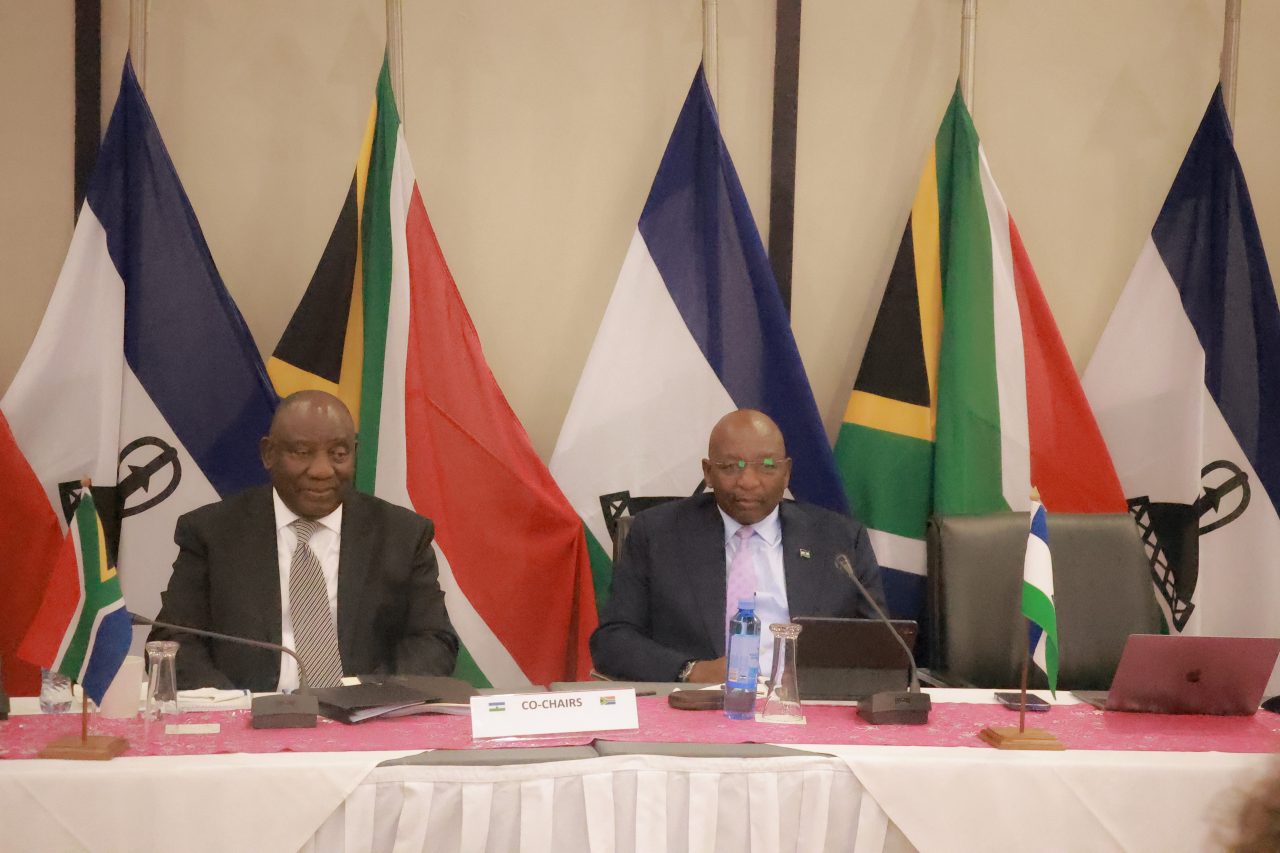
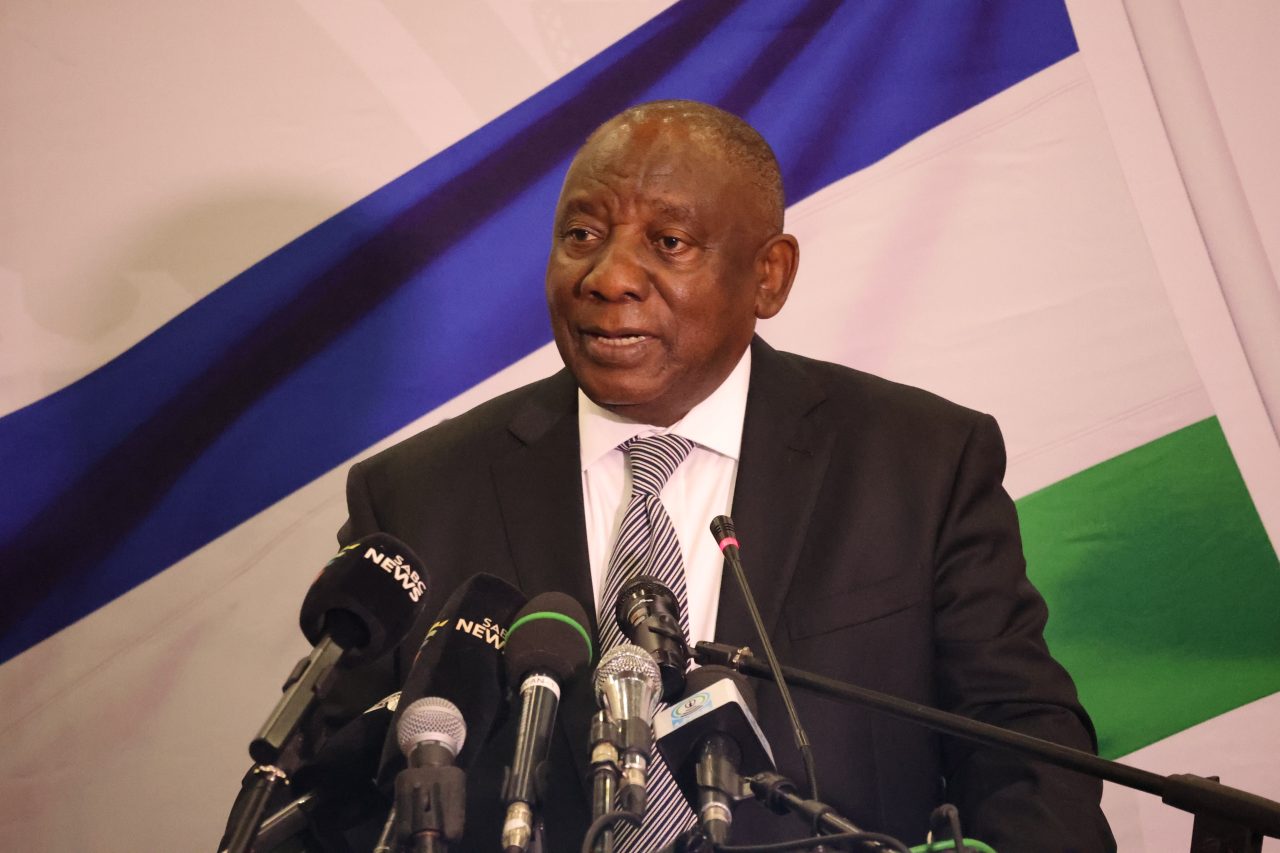
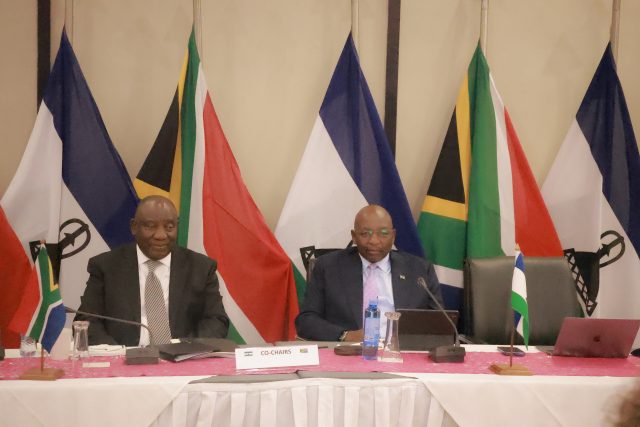
In April 2025, President Cyril Ramaphosa made a short visit to Maseru to co-chair the Second Session of the Bi-National Commission (BNC) between South Africa and Lesotho alongside Prime Minister Samuel Ntsokoane Matekane.
The visit marked a significant deepening of the already close relationship between the two neighbour countries and set the stage for a new era of economic cooperation, infrastructure development and greater regional integration.
The BNC, which was elevated to this high level in 2022, builds on centuries of shared history, geography and economic ties. It follows the inaugural session held in Pretoria in September 2023, which produced 78 decisions aimed at enhancing cooperation in various sectors.
The Maseru session focused on reviewing the progress made so far and identifying new priority areas for collaboration.
President Ramaphosa opened his address by emphasising the historical depth of the bilateral relationship.
“We are meeting here to further strengthen ancient bonds of geography, history, kinship, solidarity and common destiny,” he said.
He recalled his 2024 visit to Lesotho for the bicentennial celebrations to mark the establishment of Basotho as a people.
“In October last year, we were honoured to join His Majesty Letsie III and the people of this beautiful Mountain Kingdom to celebrate the 200th anniversary since the founding of the Basotho nation and the 58th anniversary of your independence.”
He also acknowledged Lesotho’s support during South Africa’s struggle against apartheid.
“As South Africans, we shall remain forever grateful for the unwavering solidarity and support this country extended to the oppressed people of South Africa during the dark days of apartheid. We recall the selfless sacrifices you made in that journey of bravery and heroism.”
He made it clear that economic cooperation is at the heart of this renewed partnership. He pointed out that the BNC must ensure that the 45 agreements and legal instruments already signed are fully implemented.
“We assemble in this session at a time of new global challenges and uncertainties. These challenges are not insurmountable. Working together, we should identify opportunities for progress in this rapidly changing environment.”
One of the critical areas of cooperation is a strong emphasis on building sustainable value chains and strengthening local industries.
Ramaphosa explained that both countries must redouble their efforts to establish economically viable bilateral and regional value chains. He also highlighted the potential of new economic opportunities.
“Our countries are both endowed with mineral resources and we need to beneficiate these minerals locally. At the same time, we must diversify the products we produce and the services we provide. In this regard, the establishment of logistics hubs, agro-processing facilities and data centres to support the emerging digital industry are some of the opportunities that South Africa and Lesotho should harness.”
On water and energy cooperation, Ramaphosa underlined the strategic importance of the Lesotho Highlands Water Project (LHWP) and called for the speedy implementation of Phase II within agreed timelines and budgets. He also stressed that energy cooperation must be expanded for the benefit of both countries.
“Energy security is critical for our two countries. It will play a major role in driving our manufacturing industries, powering our cities, towns and villages and enabling us to adapt to the demands of the new global economy.”
The Joint Communiqué that was issued at the conclusion of the session captured the overall spirit of the talks.
“The two Heads of State and Government reaffirmed the strong bonds of friendship and bilateral relations that so happily subsist between the two countries anchored on people-to-people relations, underpinned by common history, culture and language which span many centuries.”
It further stated that “the destinies of the two countries are inextricably linked by geographic proximity and socio-economic interdependence.”
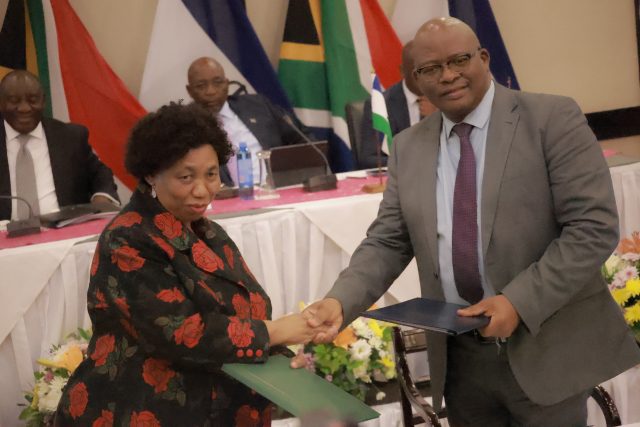
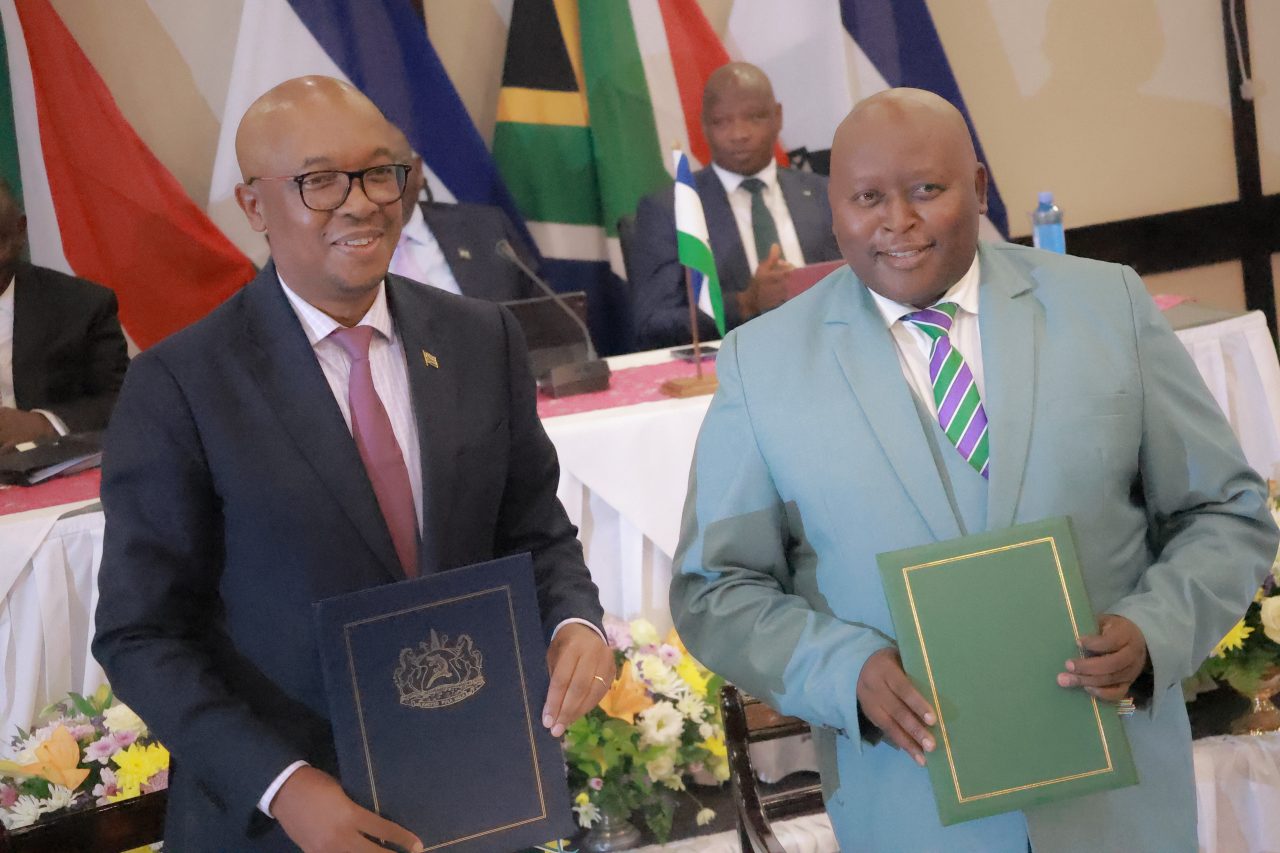
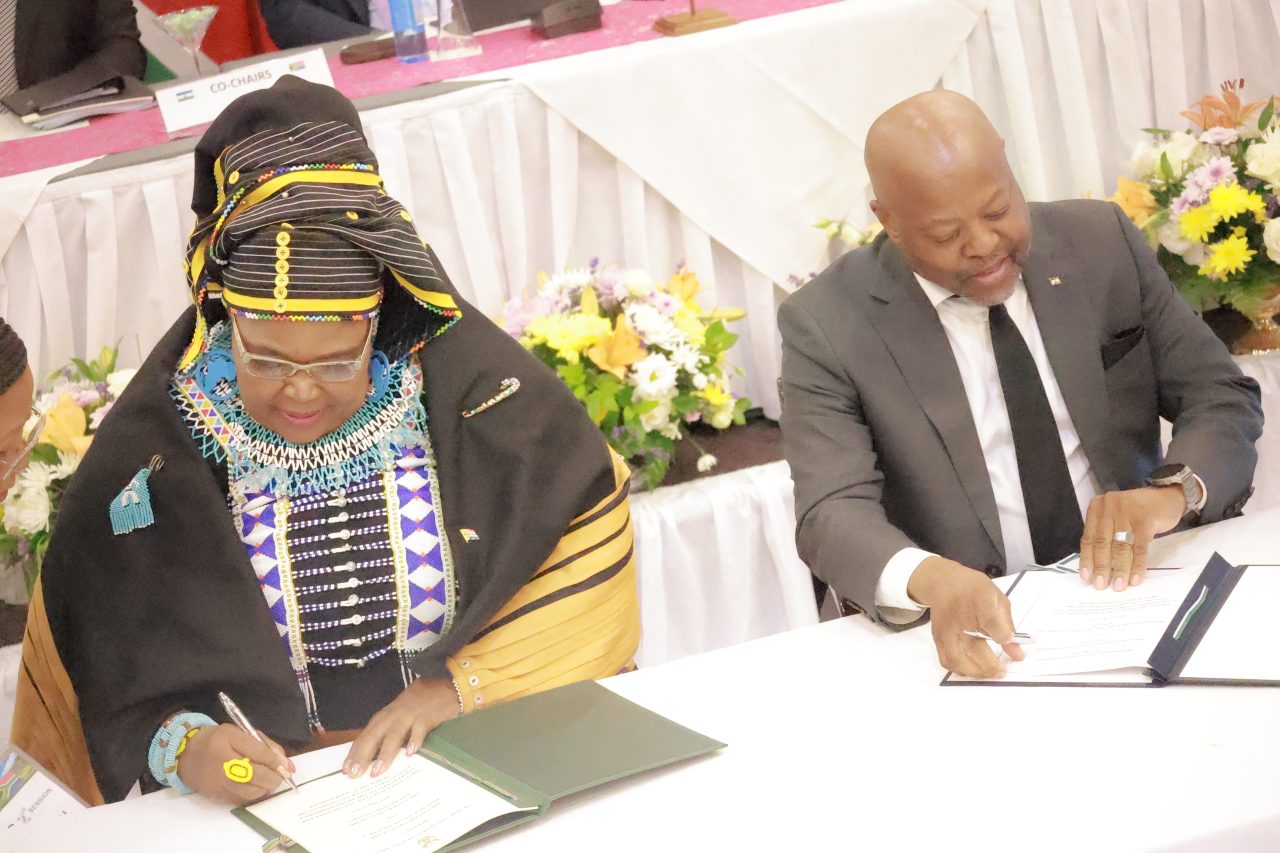
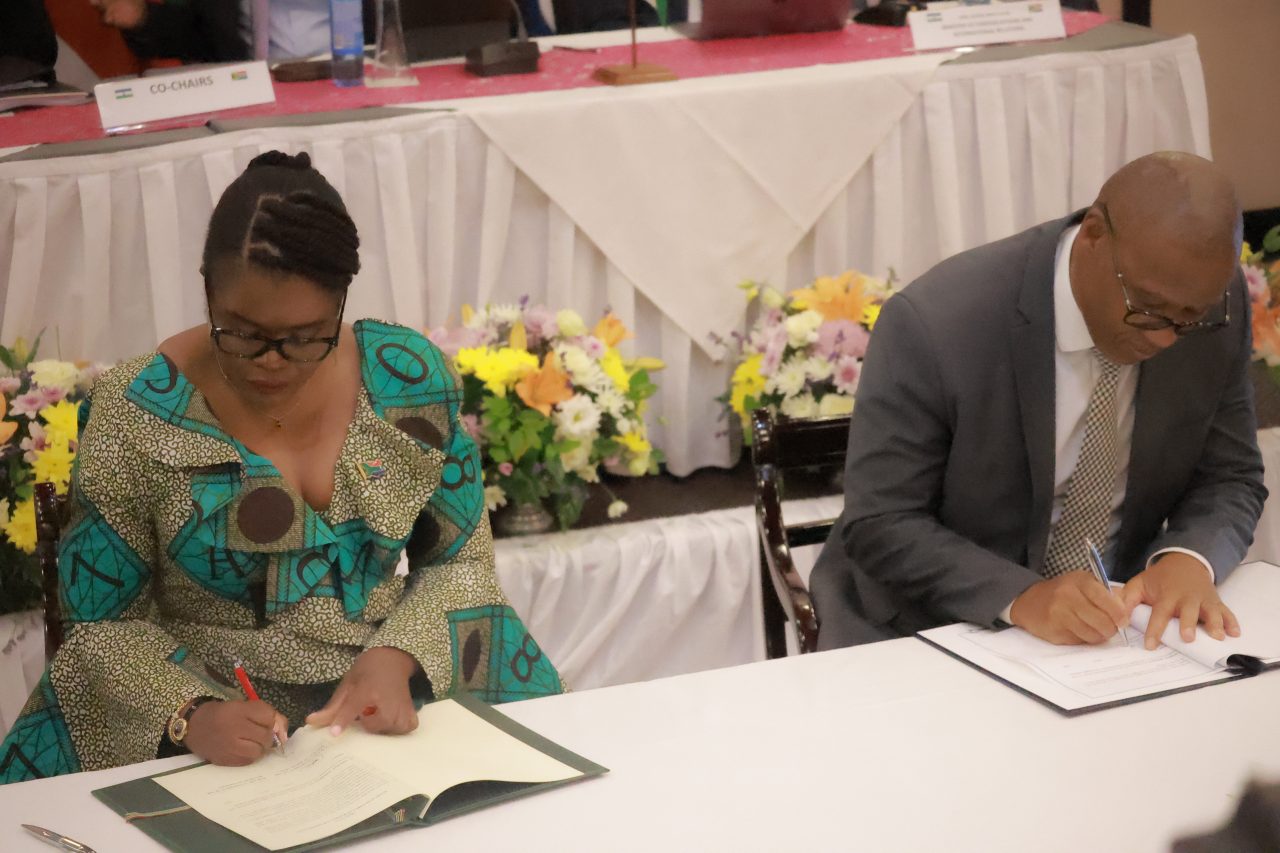
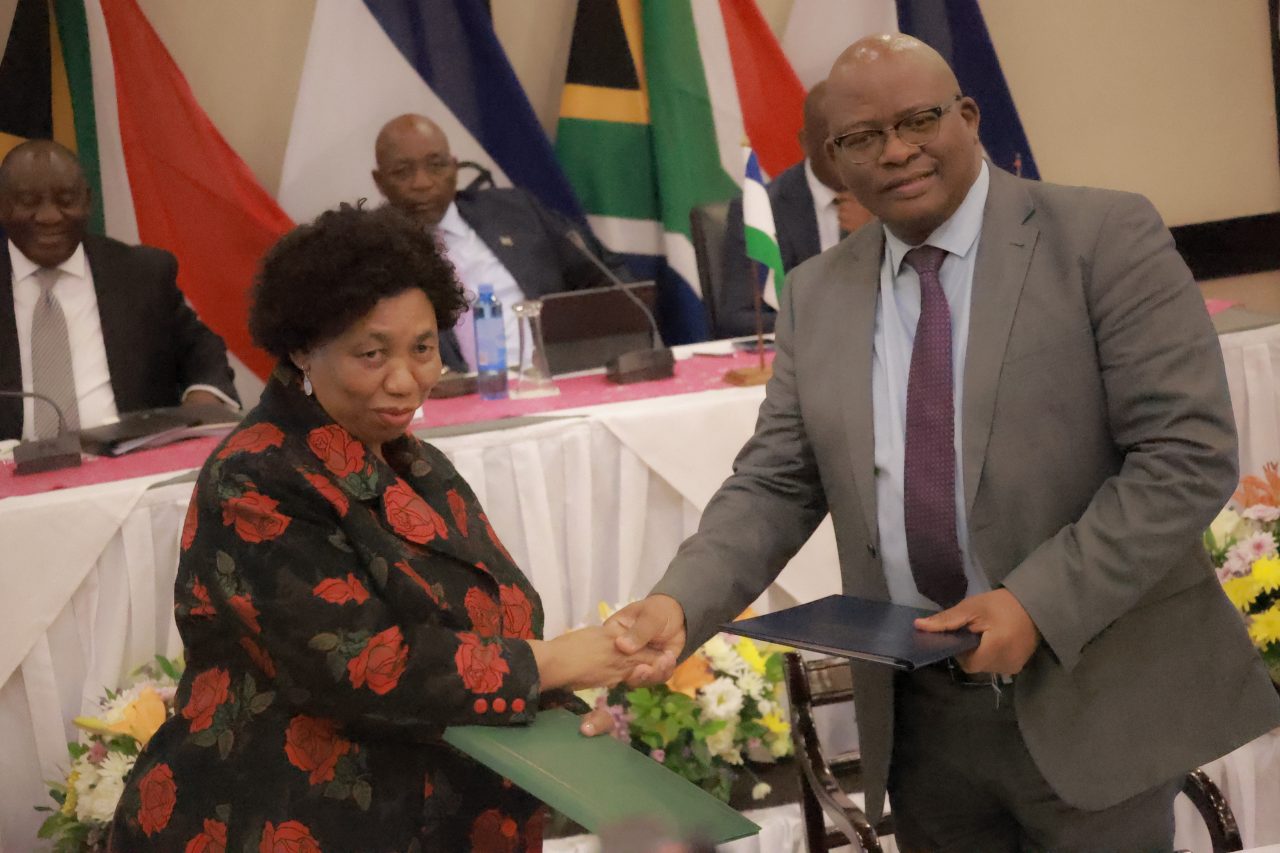
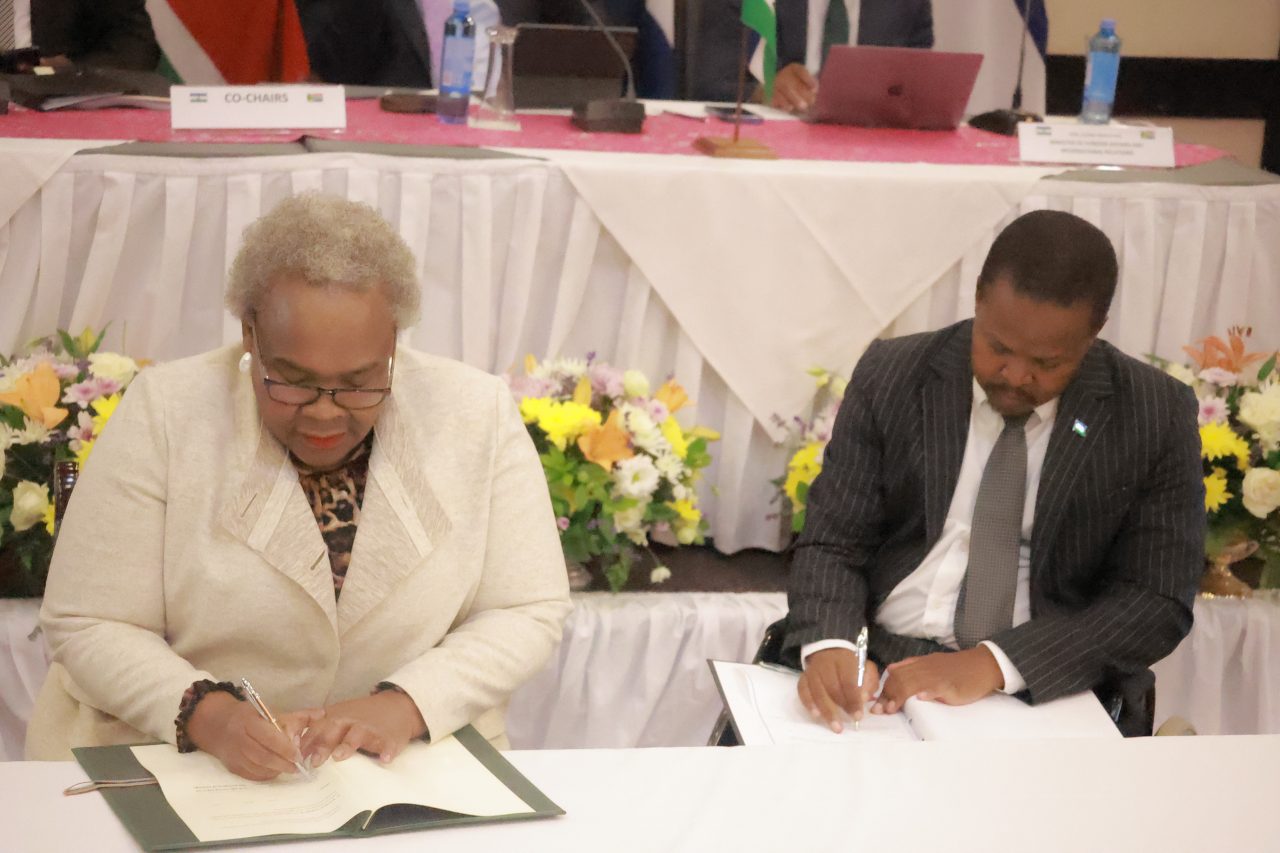
The communiqué said both governments see the BNC as the strategic forum for strengthening the coordination and implementation of the bilateral relations programme. It welcomed the signing of six additional agreements during the Second Session of the Commission.
These agreements covered areas including defence cooperation, water and energy, higher and basic education, social development, and the construction of two new weirs on the Mohokare/Caledon River.
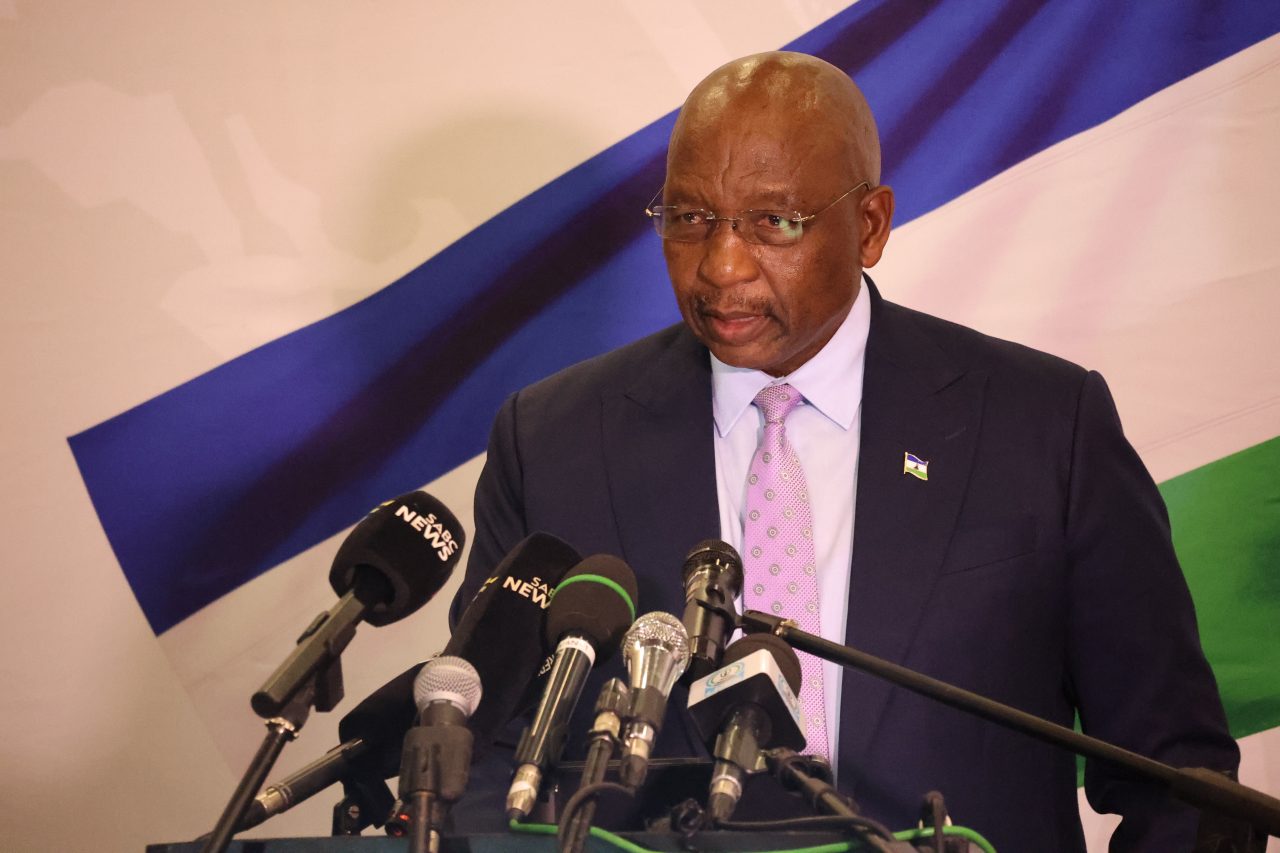
The movement of people between the two countries is another area where progress was achieved. Prime Minister Matekane used his opening remarks to make a direct appeal for more open borders.
He urged South Africa to demonstrate its commitment to the BNC by granting Basotho citizens 90-day visa-free entry, effective 1 May 2025. Matekane stressed the importance of recognising Lesotho’s geographic position within South Africa, stating that the visa-free arrangement would be “a practical step in resolving ongoing border and migration challenges.”
“We agreed on the need for a new migration model that recognises Lesotho’s unique geographic position within South Africa, and that it must be implemented to resolve our ongoing border and migration challenges.”
“Despite our repeated commitments and the high expectations from our people, the 90-day visa arrangement has not yet been implemented….Therefore, I plead that we commit to putting it in place by May 1st, 2025.”
In response, Ramaphosa, through Minister of International Relations Ronald Lamola, said the request would be “considered.” Within weeks, the arrangement was indeed implemented, becoming one of the major milestones of Ramaphosa’s visit to Lesotho.
The Joint Communiqué underscored this progress, stating that “against the backdrop of shared kinship, familial ties, cultural affinity and geographic proximity of the two countries, the Leaders expressed the commitment to develop a framework that would facilitate the movement of people across borders.”
The decision has immediate real-world implications for many Basotho who cross into South Africa daily for work, education, health care and commerce. The introduction of visa-free entry allows families to move more easily, reduces administrative burdens, and opens new opportunities for trade and cultural exchange.
Another key area of focus was security and border management. Ramaphosa stressed that both nations must cooperate to address cross-border criminal activities.
“Our respective authorities should remain seized with the threats posed by global organised crime, which fuels illegal mining, drug and human trafficking, arms smuggling, wildlife destruction, illicit financial flows and money laundering,” he said.
The communiqué noted that “the Leaders underscored the need to continue cooperating on security and crime prevention across borders and in territories of the two countries and noted that this is vital in creating a conducive environment for economic growth and cooperation.”
Human capital development through education featured among the signed agreements. Ramaphosa reminded his hosts that South African institutions of higher learning have long hosted Basotho students, and that bureaucratic impediments should not stand in the way of cross-border schooling.
“Cooperation in education is fundamental to our shared future. We should make it easy for young Basotho pupils, who live a stone’s throw away from schools on the South African side, to be able to go to school,” he said.
The communiqué also highlighted this priority, noting satisfaction with the signing of memoranda of understanding on cooperation in higher education and training, basic education, and social development. It stressed the need to further strengthen human capital development of the two countries to achieve economic growth and development.
For ordinary Basotho families, these agreements will have tangible consequences. Greater South African investment can mean more job opportunities in sectors like manufacturing, agro-processing and logistics. Improved energy security through shared electricity generation and hydropower projects could help power industries and communities within Lesotho. The visa-free movement across the border eases the daily commute for thousands and supports family and educational ties. Stronger security cooperation promises safer border communities and less disruption to livelihoods. Enhanced educational cooperation could expand scholarship opportunities and ease the path for Basotho students to access quality higher education in South Africa.
As the session closed, Ramaphosa expressed confidence in the direction both nations were taking.
“The spirit of friendship, cooperation and solidarity that underpins our very close relations has been given renewed impetus. The people of South Africa and Lesotho will continue to enjoy the fruits of our labour for generations to come.”
Matekane echoed this sentiment, saying that both governments must now match ambition with implementation.