Sylvia
Lesotho’s NSDP II: A Comprehensive Examination of the Extended Strategic Plan and Youth Employment Crisis
Lesotho’s NSDP II: A Comprehensive Examination of the Extended Strategic Plan and Youth Employment Crisis
Understanding the framework, tracking progress, and examining the fight against unemployment
Writes Letsatsi Selikoe
When Lesotho launched its second National Strategic Development Plan (NSDP II) in April 2018, it set an ambitious five-year roadmap to transform the mountain kingdom from a consumer-based economy to a producer and export-driven powerhouse. The plan was scheduled to run from 2018/19 to 2022/23, guiding development across all sectors with private sector-led job creation at its core.
However, in May 2023, the Government of Lesotho made an unprecedented decision. Instead of developing NSDP III, it extended NSDP II for another five years, to 2027/28. According to the official NSDP II Strategic Focus document, the extension aims to “ensure the effective implementation of policies and actions set out therein” while providing “an opportunity for the Government to prioritise NSDP Goals in line with coalition government’s objectives and priorities.”
The decision to extend NSDP II comes amid three years of COVID-19 disruptions, mounting youth unemployment at 38.9 percent, and the government’s acknowledgement that it has “bitten more than it could chew” with too many objectives. The extension represents both a pragmatic response to pandemic setbacks and a commitment to completing what was started.
This article examines NSDP II’s strategic framework, its implementation mechanisms, the progress achieved, and the critical challenge of youth unemployment that threatens to undermine the plan’s core objective of job creation.
THE NSDP II FRAMEWORK
From NSDP I to NSDP II: Learning from the Past
To understand NSDP II, one must first understand NSDP I. Launched in 2012 and running through 2016/17, the first National Strategic Development Plan emerged from Lesotho’s Vision 2020, a long-term roadmap envisioning the kingdom as a stable democracy with a strong economy by 2020.
NSDP I pursued six strategic goals:
- Employment-creating economic growth.
- Infrastructure Development
- Skills Enhancement
- Health Improvements
- Environmental Protection and
- Democratic Governance.
However, NSDP I’s implementation revealed critical lessons. Unemployment figures skyrocketed from 24 to 28 percent during its four-year tenure. Economic growth averaged 1.7 percent from 2015 to 2017, and revenue contracted by 0.6 percent in the 2017/18 fiscal year. These shortcomings became instrumental in shaping NSDP II. The revised NSDP II was developed with a sharpened focus under the theme: “In pursuit of economic and institutional transformation for private sector-led job creation and inclusive growth.” Whereas NSDP I cast a wide net across six goals, NSDP II concentrated efforts around four Key Priority Areas (KPAs), each aligned with specific “revolutions” designed to drive transformation.
The Strategic Context: Understanding Lesotho’s Vulnerabilities
The NSDP II Strategic Focus Document provides a frank context for the plan. It acknowledges that “Lesotho’s planning and fiscal operations have been guided by national planning frameworks to promote sustainable development. However, the country remains vulnerable, with low investment in key areas, low productive capacity, and high-income inequality.”
It continues: “The economy is still highly dependent on the government for economic activities and fiscal revenues. Lesotho’s capacity to attract foreign investment is limited, and the country remains very dependent on imports. Poverty and unemployment remain high, especially in rural areas, affecting mostly women and youth.”
This honest assessment frames why NSDP II’s objectives are both ambitious and essential. Success requires “critical levels of commitment and leadership to strengthen the planning systems within and across all spheres of government, and collaboration of the private sector, civil society and development partners is imperative.”
THE FOUR KEY PRIORITY AREAS AND THEIR OBJECTIVES
KPA 1: GROWTH PROGRESSION
Goal: To achieve inclusive, sustainable and equitable growth and create private sector-led employment for Basotho.
Transformation Target: Transform the country from a consumer-based economy to a producer and export-driven economy.
Productive Sectors: Agriculture, Manufacturing, Mining, and Tourism.
NSDP II emphasizes private sector development and prioritizes people-centered development, reinforcing the government’s commitment to directly engage citizens in economic transformation.
The Four Objectives (Revolutions):
- Food Security and Agriculture Revolution
This objective targets agricultural transformation to achieve food self-sufficiency and create rural employment. Lesotho, despite its mountainous terrain, has significant agricultural potential that remains underutilized. The revolution aims to modernize farming practices, improve productivity, develop value chains, and reduce the country’s dependence on food imports—particularly from South Africa.
- Industrialisation Revolution
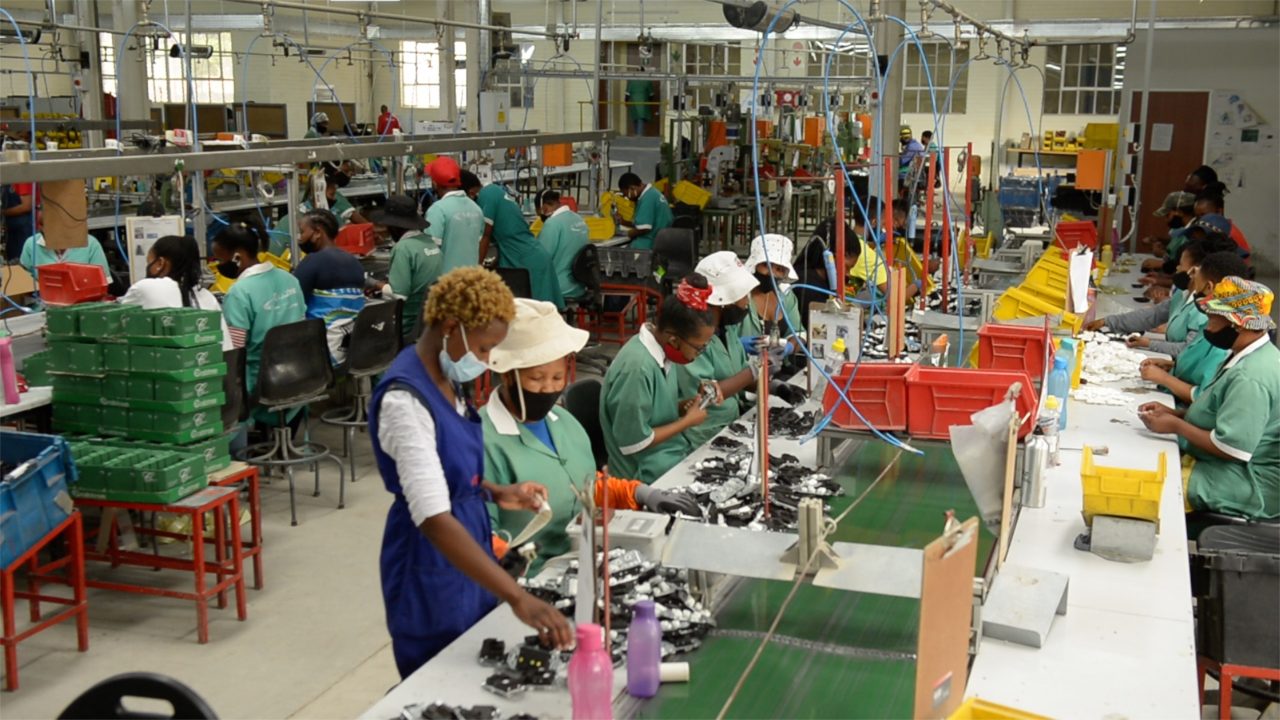
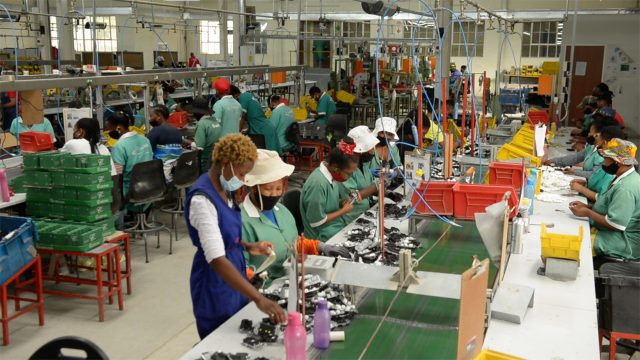
The industrialisation objective focuses on manufacturing development to create jobs and drive exports. This includes revitalizing the textile industry (which employed 50,000 workers before COVID-19), developing new manufacturing sectors, promoting value addition to raw materials, and creating an enabling environment for industrial growth. Manufacturing and agriculture are identified as the only two sectors contributing substantially to the economy alongside mining, textiles, and financial services.
- Extractive Industry Revolution
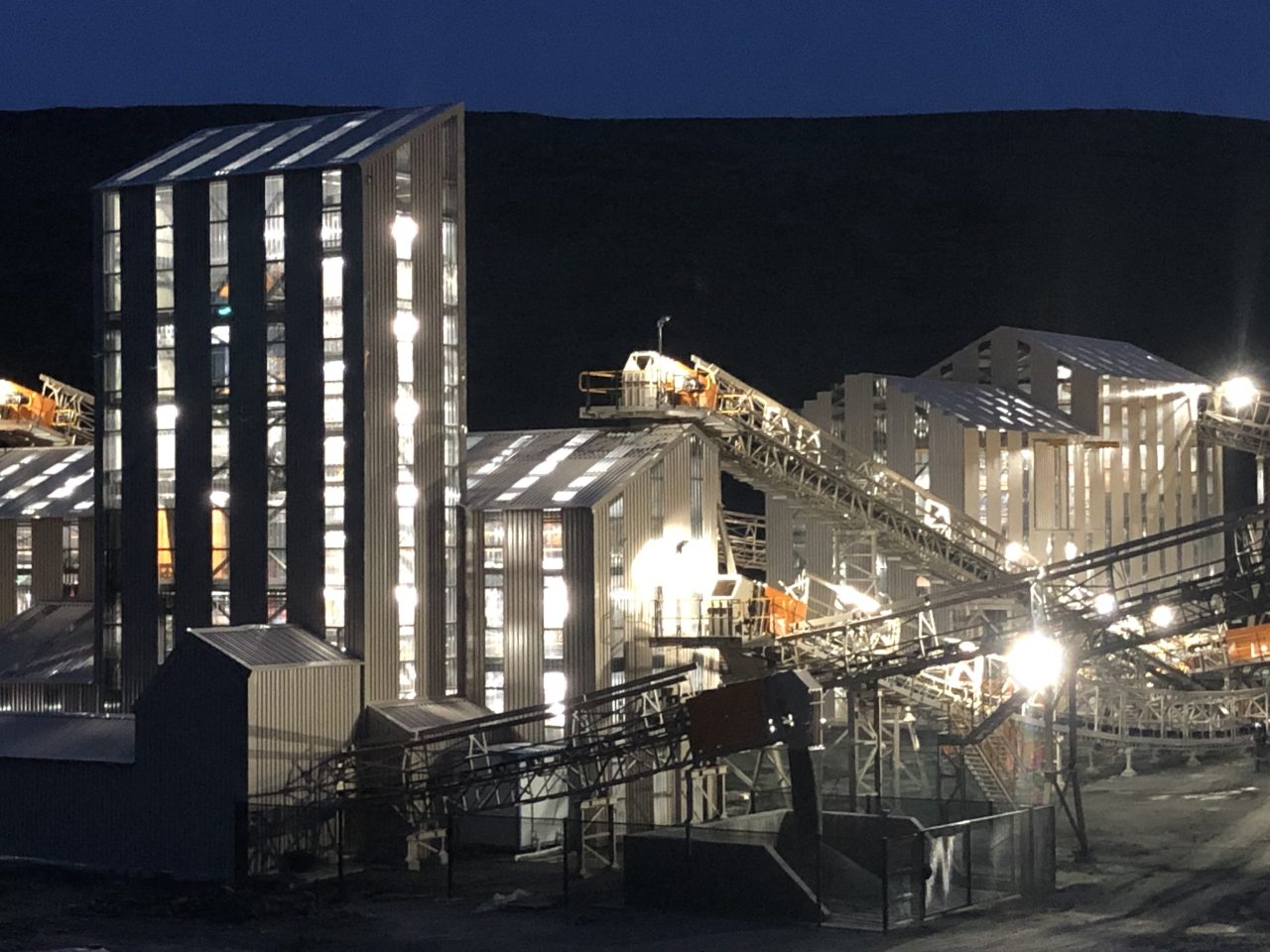
This objective aims to maximize benefits from Lesotho’s mining sector, particularly diamonds. The revolution seeks to ensure local value addition, environmental sustainability, revenue optimization for national development, and community benefits from extractive activities. Mining investments of over M5 billion have been recognized as crucial for increased exports and faster GDP growth.
- Development Finance Revolution
This objective addresses the critical challenge of mobilizing financial resources for development. It targets improved domestic resource mobilization, attraction of foreign direct investment, development of the financial sector to support MSMEs, and innovative financing mechanisms for development projects. The revolution recognizes that transforming the economy requires substantial capital that current systems struggle to mobilize.
KPA 2: SOCIAL TRANSFORMATION
Goal: To build capable and healthy human resources.
Key Recognition: Quality human capital is crucial to optimizing productivity and associated socioeconomic benefits.
Demographic Opportunity: The NSDP II document emphasizes that “Lesotho’s population is undergoing a demographic transition where the age structure is changing from dominantly children to one dominated by the working age population. Thus, provide an opportunity for demographic dividend. Lesotho should choose to accelerate demographic transition through investment in youth, education, and health.”
The Two Objectives (Revolutions):
- Healthcare Revolution
This objective targets comprehensive health system strengthening to create a healthy, productive population. Key focus areas include primary healthcare expansion, maternal and child health improvement, HIV/AIDS management (Lesotho has one of the world’s highest prevalence rates), non-communicable disease prevention, and mental health services. The revolution recognizes that a healthy population is fundamental to economic productivity and social wellbeing.
Social Security Revolution
This objective aims to create comprehensive social protection systems that safeguard vulnerable populations while enabling economic participation. It includes pension systems, unemployment benefits, disability support, social assistance for the poor and elderly, and safety nets that protect citizens while encouraging productive economic engagement rather than dependency.
KPA 3: INFRASTRUCTURE DEVELOPMENT
Goal: To build new and expand (maintain) existing infrastructure that will help productive sectors achieve their goals.
Foundation Principle: The NSDP II document states that “strong infrastructure enables economic growth and is the bedrock for better living conditions. Energy, water, transport, Information Communication and Technology (ICT) and building the environment are the vital forces that support economic transformation.”
The Three Objectives (Revolutions):
- Energy Security Revolution
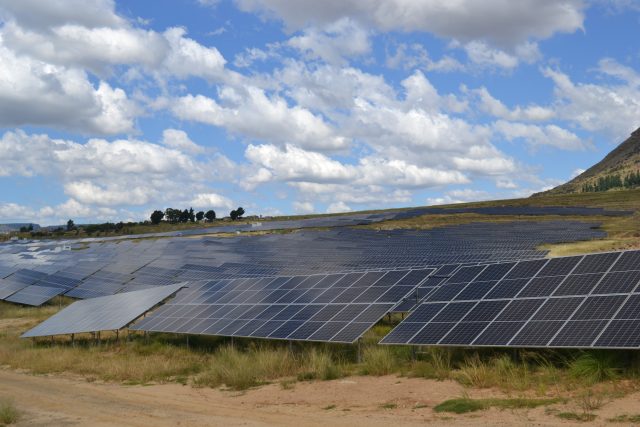
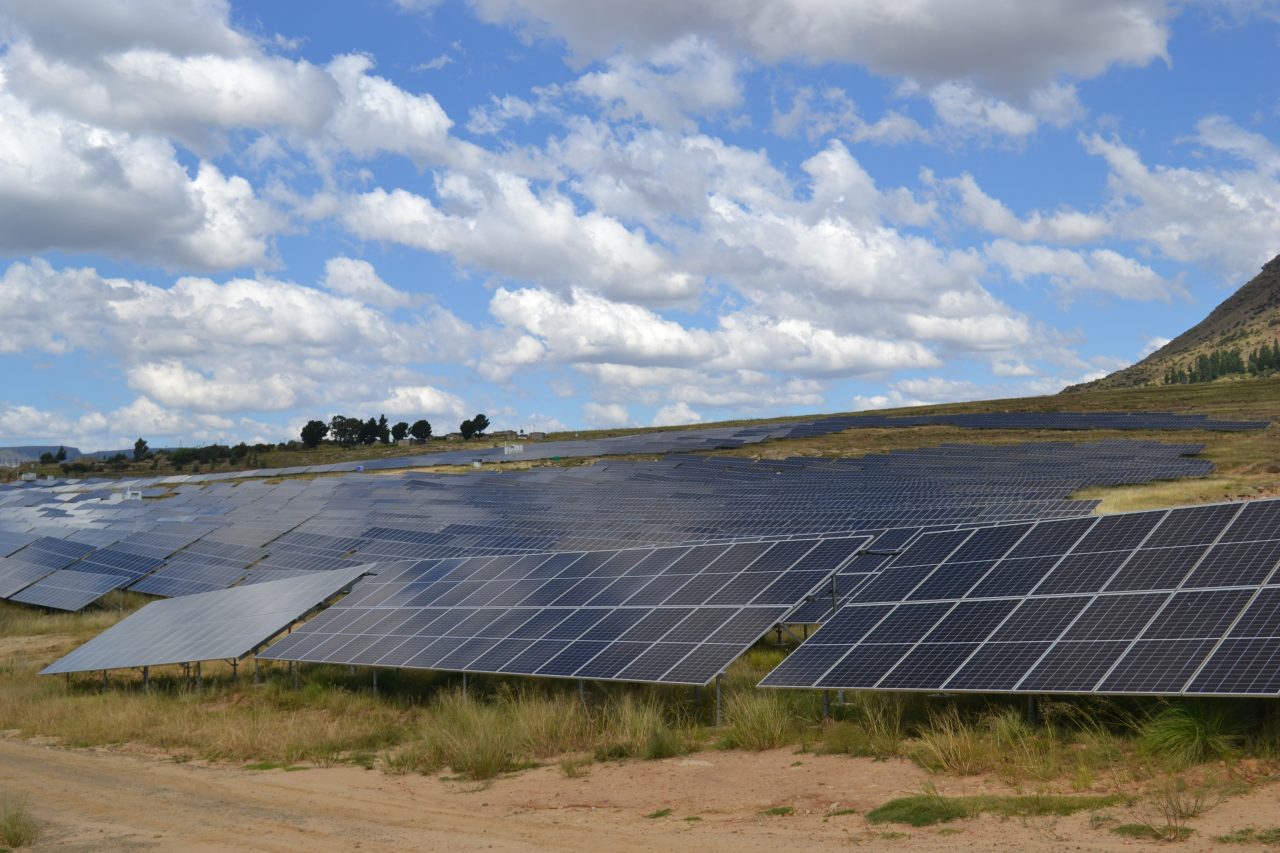
This objective addresses Lesotho’s energy deficit and high dependence on imported electricity from South Africa. The revolution targets renewable energy development (particularly hydropower, solar, and wind), expansion of electricity distribution networks, energy efficiency improvements, and reduction of energy costs for businesses and households. Reliable, affordable energy is essential for industrialization and modern living standards.
- ICT Revolution
This objective focuses on digital transformation to modernize service delivery, enable e-commerce, improve government efficiency, and position Lesotho in the digital economy. In December 2024, the government introduced the National Digital Transformation Strategy Agenda 2030, which focuses on enhancing digital government, infrastructure, skills, and business to improve public service delivery and stimulate private sector growth.
- Industrialisation Revolution
This objective (appearing under both Growth Progression and Infrastructure Development) recognizes that industrialization requires both productive sector development and supporting infrastructure. It emphasizes the interconnection between manufacturing capacity and the infrastructure (energy, transport, ICT) that enables it to function competitively.
KPA 4: GOOD GOVERNANCE AND ACCOUNTABILITY
Goal: To promote good governance through effective institutions.
Core Principle:The NSDP II document emphasizes that “good governance and responsive institutions and engaged citizens are the fundamental principles of democracy and sustainable development. Lesotho’s economic, social, political, and environmental future rests on its ability to put people at the centre of decision making.”
Governance Vision: Lesotho aims to remain safe, peaceful, upholding the rule of law, secure, transparent and accountable, and to improve service delivery while maintaining peace with other countries.
The Two Objectives (Revolutions):
- Good Governance Revolution
This objective targets institutional strengthening, anti-corruption measures, transparency in public affairs, citizen engagement in decision-making, rule of law enforcement, and effective public service delivery. It recognizes that without good governance, even the best development plans will fail in implementation.
- Implementation Revolution
This objective specifically addresses the gap between planning and execution that plagued NSDP I. It focuses on translating policies into action, improving coordination across government, enhancing monitoring and evaluation systems, ensuring accountability for results, and creating a culture of delivery rather than just planning.
Cross-Cutting Themes: Leaving No One Behind
Beyond the four KPAs, NSDP II emphasizes cross-cutting themes that must be integrated throughout all programs and initiatives. The official document states: “The Government will promote gender equality, protect the interests of children and youth, people with disabilities, the elderly and other disadvantaged groups. These critical topics will be implemented by integrating them into relevant chapters and action programmes.”
Key Cross-Cutting Themes:
– Gender Equality: Ensuring women benefit equally from development and addressing structural barriers
– Youth Empowerment: Prioritising young people in employment, entrepreneurship, and decision-making
– Disability Inclusion: Ensuring accessibility and opportunities for people with disabilities
– Environmental Sustainability and Climate Change: Integrating environmental considerations into all development activities
IMPLEMENTATION, MONITORING AND EVALUATION MECHANISMS
The Big Fast Results (BFR) Methodology
The NSDP II Strategic Focus document emphasizes that “the successful implementation of NSDP II outcomes is dependent on robust monitoring and evaluation systems.” Learning from NSDP I’s implementation gaps, the government adopted a specific accountability framework.
The document explains: “The Government of Lesotho is committed to effective service delivery to its people. To accomplish this, the government had already adopted the prudent and accountable methodology that is result driven and performance-oriented for the benefit of all Basotho The Big Fast Results Methodology (BFR).”
BFR Characteristics:
According to the document, BFR “is the methodology that has sufficient intermediate indicators which deliver quick feedback on results that can continually be improved through decision making and learning. Frequent monitoring and evaluation need to be undertaken while frequent reporting should also be done to track progress through usage of dashboards.”
This approach represents a significant shift from traditional five-year planning that only evaluates at the end of cycles. BFR creates continuous feedback loops, allowing for mid-course corrections and rapid response to challenges.
The Prime Minister’s Delivery Unit
To coordinate implementation across government, Prime Minister Sam Matekane established the Prime Minister’s Delivery Unit. This institutional innovation signals recognition that past development plans suffered from poor coordination between ministries and between national and local government.
The Delivery Unit’s role includes:
– Coordinating implementation across ministries
– Monitoring progress against targets
– Identifying and resolving bottlenecks
– Ensuring alignment with coalition government priorities
– Regular reporting to the Prime Minister on progress
Key Reforms for Effective Implementation
The NSDP II document notes that “key reforms are needed to improve allocative efficiency and absorptive capacity as well as policy implementation efficiency.”
These reforms include:
– Allocative Efficiency: Ensuring resources go to highest-priority activities
– Absorptive Capacity: Building ability to effectively use allocated resources
– Implementation Efficiency: Improving how policies are translated into action
– Coordination Mechanisms: Reducing duplication and ensuring complementarity
Budgeting and Financing Integration
One of NSDP I’s critical weaknesses was the disconnect between the five-year plan and annual budgeting cycles. NSDP II requires integration into the Government’s annual Medium Term Expenditure Framework (MTEF) and Public Sector Investment Plan (PSIP).
This integration aims to ensure that:
– NSDP priorities guide budget allocation
– Multi-year commitments are honored
– Resources match objectives
– Progress can be tracked fiscally as well as programmatically
International Partnerships Supporting NSDP II
European Union:
The EU’s Multi-Annual Indicative Programme for 2021-2027 aligns with NSDP II priorities under the “EU Green Deal” theme, targeting water and energy sectors (supporting Infrastructure Development KPA). Financing agreements were signed on October 28, 2020, and May 4, 2021.
Natural Resource Sector Team Leader Tomas Pallas Aparasi explained in May 2023 that the Lesotho Economic Growth Value Chains Programme provides EUR 6 million from the EU plus EUR 950,000 from GIZ to support value chains in medical herbs and cosmetics directly supporting Growth Progression.
African Development Bank:
The AfDB’s Country Strategy Paper for 2020-2024 (now extending to align with NSDP II’s timeline) supports:
– Sustainable and quality infrastructure for industrialization (Infrastructure Development KPA)
– Institutional and human capacity strengthening for public sector efficiency (Good Governance KPA)
Millennium Challenge Corporation:
Lesotho was working on a proposal for a second Millennium Compact with the U.S. government’s MCC, which could provide one of the largest injections of funds into the economy over five years. However, Prime Minister Matekane noted in June 2025 that international factors, including U.S. executive orders and MCC aid withdrawal, have complicated this partnership.
THE YOUTH UNEMPLOYMENT CRISIS
The Scale of the Challenge
While NSDP II is firmly under implementation and realising commendable results across various sectors, its core objective of creating private sector-led employment faces a crisis that threatens to undermine the entire plan. Youth unemployment stands at the heart of this challenge.
The Statistics:
According to Minister of Finance and Development Planning Dr Retšelisitsoe Matlanyane’s 2024-2025 budget speech, 38.9 percent of youth in Lesotho were unemployed, with young women bearing the brunt at 41 percent.
Prime Minister Sam Matekane, citing data from the Bureau of Statistics and the Lesotho Labour Force Survey 2024, noted that 50 percent of the population is currently unemployed using the expanded definition.
Lesotho’s youth unemployment rate significantly exceeds the world average of 15.7 percent. The situation has worsened—the rate increased from 28.3 percent in 2020 to a concerning 38.9 percent in 2024—despite efforts to address the crisis.
The Demographic Paradox:
The NSDP II document identifies Lesotho’s demographic transition as providing “an opportunity for demographic dividend.” More than 60 percent of the population is aged below 35, with 51 percent comprising youth between 15 and 30 years. This working-age population should be an economic asset—but only if they can find productive employment.
Without jobs, the demographic dividend becomes a demographic burden. Instead of driving economic growth, unemployed youth represent lost productivity, social instability, and squandered human potential.
Concrete Measures Announced
Entrepreneurship Support:
– Registration of small and medium enterprises made free of charge
– All tender documents available online at no cost
– Lease no longer required to start trading
– 40 percent of government procurement reserved for youth
Public Sector Reform:
– Retirement age in public service reduced to 50 years to open positions for younger workers
– Tax reductions explored to make it easier for businesses to hire youth
– Two percent of ministerial annual budgets allocated to Youth Development Fund
Employment Targets:
The government projects creating approximately 60,000-70,000 jobs across various sectors, with positions to become available as early as July 2025. Jobs are to be distributed throughout Lesotho’s ten districts, with 6,000 young people to be employed, including 3,000 in rural road construction.
THE DECISIVE YEARS AHEAD
As NSDP II enters its extended phase through 2027/28, Lesotho faces decisive years. The framework is clear: four Key Priority Areas, ten transformative “revolutions,” cross-cutting themes ensuring inclusivity, and the Big Fast Results Methodology for accountability. The government has established the Prime Minister’s Delivery Unit, developed strategic frameworks, achieved concrete progress in healthcare, trade facilitation, and fiscal management.
The NSDP II document concludes with a commitment to “effective service delivery” through “prudent and accountable methodology that is result driven and performance-oriented for the benefit of all Basotho.” With less than three years remaining until 2027/28, the window for demonstrating results is closing.
Lesotho’s development story is being written now, during these decisive years of NSDP II’s extended implementation. The framework is sound. The challenges are understood. The youth are watching, waiting, and increasingly unwilling to accept anything less than the opportunities they deserve and the future they have been promised.